Eddie Irizarry verdict could mark a pivotal moment for Puerto Rican empowerment.
In a landmark decision, former Philadelphia Police Officer Mark Dial was recently convicted of involuntary manslaughter in connection with the fatal shooting of Eddie Irizarry, a 27-year-old Puerto Rican man. This case, which captured attention for its troubling circumstances, unfolded within mere seconds over a traffic stop in Kensington during the summer of 2023. Dial’s actions, marked by the discharge of six bullets within the first six seconds of the encounter, have raised significant concerns regarding police conduct and accountability in a city long characterized by its complex relationship with law enforcement.
The verdict, reached after two and a half days of testimony and eight hours of jury deliberation, is notable within a historical context where police officers in Philadelphia have often faced leniency despite allegations of serious misconduct. The gravity of the outcome has spurred discussions around the implications for community relations, particularly among marginalized groups who historically have felt overlooked by the judicial process.
Eyewitness accounts and video evidence raised doubts about the justification of Dial’s use of lethal force. While the defense positioned Dial’s actions as necessary due to perceived threats, lawyers and advocates, alongside community members, contested the narrative that painted Irizarry as a victim deserving blame. The video showed him remaining seated inside his vehicle, wielding a knife but not posing an imminent threat. This stark contrast to the police narrative reinforced the push for accountability.
Moreover, this trial has ignited broader conversations about the representation and advocacy for Puerto Ricans within Philadelphia, where they constitute a substantial segment of the community yet often remain underrepresented in positions of power. As the city continues to grapple with systemic issues surrounding race and law enforcement, the outcome of this case serves as both a turning point and a stark reminder of the persistent challenges that lie ahead.
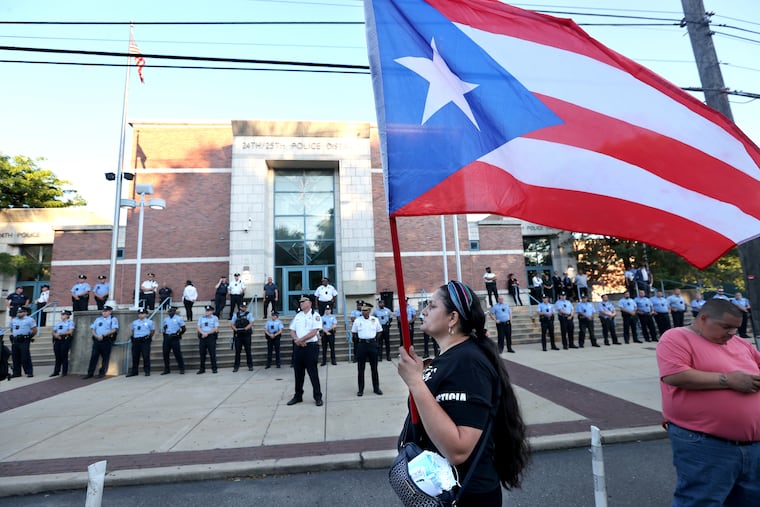
The community’s vigorous response, including protests and activism following Irizarry’s death, reflects a collective demand for justice and recognition. Historical instances of resistance, such as the mobilization against police violence in past decades, further exemplify the resilience of local Puerto Rican communities in seeking fairness and visibility. With this verdict as a potential catalyst for reform, the call remains urgent for sustained advocacy and inclusivity within the broader urban narrative.
As the city reflects on this verdict, the question looms: will this moment lead to lasting change or will it fade into the backdrop of a familiar cycle devoid of real progress? The pressure is on to transform this rare conviction into enduring reform, ensuring that the voices of communities like that of Irizarry are not only heard but prioritized in the ongoing discourse around justice and equity in Philadelphia. Media News Source.