Elder abuse agencies struggle to reduce risks while administration defends existing systems and highlights recent changes.
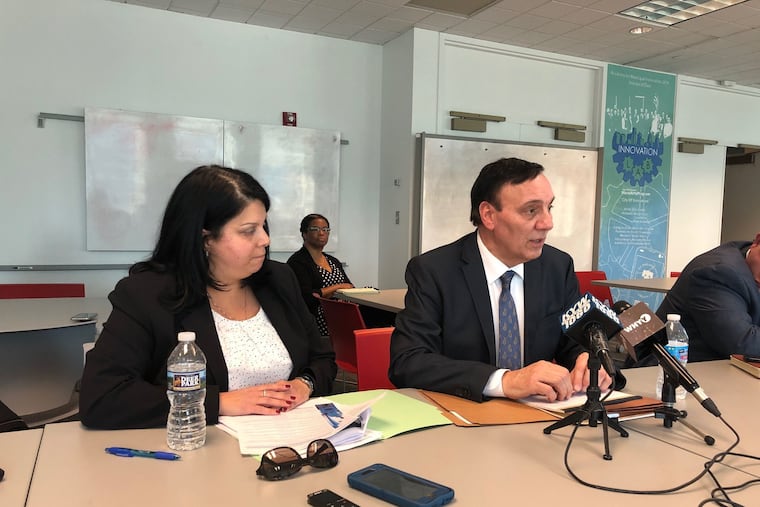
In November, Pennsylvania Department of Aging Secretary Jason Kavulich faced scrutiny during a legislative committee testimony regarding his department’s oversight of the state’s 52 county-based Area Agencies on Aging. These agencies play a critical role in protecting vulnerable older adults from abuse and neglect. Kavulich’s remarks aimed to showcase improvements and modernization in the protective services system. He asserted that the department has implemented more accountable practices, allowing for real-time feedback to resolve issues swiftly. Additionally, he proclaimed that the agency is now more transparent than ever, with substantial data on county compliance available online.
However, investigations by Media News Source reveal a more complex reality within Pennsylvania’s protective services structure. Over the past 18 months, persistent deficiencies in the state’s safety net for older adults have emerged, indicating that delays and bureaucratic inefficiencies continue to leave many older Pennsylvanians at risk of abuse and neglect. Many of these individuals lack the financial means or social support necessary to find alternative care, hence their reliance on a system intended to ensure their safety.
The work of protective services is inherently challenging, often characterized by high caseloads and low pay, leading to significant staff turnover. Critics allege that while Kavulich may have introduced changes, these have at times compromised oversight and diluted adherence to regulations meant to safeguard older adults. Skepticism persists, particularly given Kavulich’s previous leadership roles within county aging agencies, raising concerns about potential biases in his approach to agency evaluation.
Compounding these concerns, data revealed that numerous older adults have died while their cases were under investigation by local aging agencies. Recent statistics provided by state officials indicate a troubling trend, with abuse and neglect cases leading to a substantial increase in fatalities—from 888 deaths in 2018 to 1,511 in 2023, marking a 70% rise within five years.
The challenges of protective services have not gone unnoticed by whistleblowers within the department. A recent lawsuit filed by Aging Services Supervisor Richard Llewellyn claims retaliation for raising concerns about the effectiveness and transparency of the state’s aging services. Llewellyn alleges misconduct and intimidation within the department, particularly in light of complaints he made regarding data manipulation and lack of accountability.
In response to criticisms regarding oversight effectiveness, Kavulich introduced the Comprehensive Agency Performance Evaluation (CAPE) system which is intended to objectively measure county performance across five primary categories. While the new system seeks to improve the assessment process, critics posit that it may dilute accountability by removing weighted scores that previously highlighted serious deficiencies, hence making it easier for agencies to achieve passing grades.
Despite promises of increased data transparency, Media News Source findings reveal that significant gaps remain in the public reporting of critical compliance metrics, particularly regarding response times to cases of reported abuse. The opaque nature of these metrics has complicated the ability of stakeholders to accurately assess the system’s effectiveness over time.
As Pennsylvania grapples with these persistent issues, the need for robust oversight and genuine reform in its protective services for older adults remains clear. The department faces pressure to ensure protections are not just nominal but actively safeguard the well-being of one of the state’s most vulnerable populations.