Elfreth’s Alley to receive new park honoring woman who prevented its demolition.
In a notable resurgence of community spirit, plans are underway to transform a previously neglected vacant lot at the intersection of North Second Street and Elfreth’s Alley into Dolly Ottey Park. This initiative aims to honor the late Dolly Ottey, a key figure in the preservation of Elfreth’s Alley, the nation’s oldest continuously inhabited residential street, which she championed beginning in the 1930s. The planned opening of the park coincides with the upcoming 250th anniversary of the Declaration of Independence in 2026.
The effort to establish Dolly Ottey Park has involved a lengthy process of negotiation, spanning eight years. Multiple parties had to agree on the terms of this significant project, led by Job Itzkowitz, the executive director of the Old City District, a nonprofit organization dedicated to enhancing Philadelphia’s historic neighborhoods. Itzkowitz envisions the park as a rejuvenating space for residents, tourists, and workers alike, providing a much-needed respite in a densely populated area.
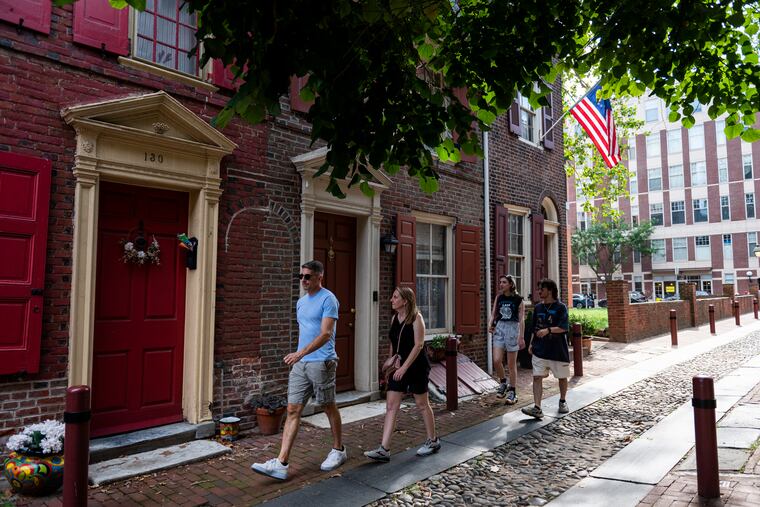
As visitors stroll along the picturesque Elfreth’s Alley, a historic cobblestone path lined with 30 brick buildings, they will soon be able to engage with a revitalized public space. Currently, the vacant lot serves as a stark contrast to the alley’s charm; however, plans delineate a two-phase approach for development. Initially, an interim phase will introduce picnic tables, plantings, and essential repairs to the existing brick wall, with a budget of approximately ,000. This phase aims for completion by March 2026.
The backdrop of this project highlights the historical significance of Elfreth’s Alley, which dates back to the early 1700s when it was created as a cart path. Over the years, the alley became home to artisans and merchants and is believed to have been inhabited since 1713. It was named in honor of Jeremiah Elfreth, an 18th-century blacksmith, and features prominent historical figures among its early residents, like financier Stephen Girard.
The community activism spearheaded by Dolly Ottey was critical in saving the alley from impending demolition threats in the mid-20th century, particularly during the proposed construction of I-95. Her leadership in forming the Elfreth’s Alley Association in 1934 galvanized residents and garnered significant public support, ultimately protecting this unique historical asset.
As the trajectory for Dolly Ottey Park evolves, renewed collaboration from various stakeholders, including the Elfreth’s Alley Association and local real estate entities, played a key role in overcoming obstacles in the project’s development. The park is poised to serve as both a functional space for leisure and a monument to the enduring legacy of historic preservation in Philadelphia, reinforcing the importance of community in safeguarding cultural landmarks against modern encroachments.