Epstein documents reveal numerous emails and texts involving Musk, Lutnick, and Bannon.
In recent developments surrounding the infamous financier Jeffrey Epstein, the U.S. Department of Justice has begun the process of releasing a substantial collection of files related to his extensive networks with influential individuals. This follows a congressional mandate requiring the release of more than 3 million pages of documents, including thousands of videos and photographs. As of Friday evening, approximately 600,000 documents have been made available online, yet critics, particularly from the Democratic Party, point out that millions of files remain undisclosed, heightening calls for greater transparency.
Advocacy groups representing Epstein’s survivors are vocalizing their demands for a complete release of the Justice Department’s files. The group indicated the necessity for a thorough inquiry during Attorney General Pam Bondi’s upcoming appearance before the House Judiciary Committee next month. They stress that the government’s release efforts cannot be considered complete until all pertinent documents are made public and every individual who may have facilitated Epstein’s actions is revealed.
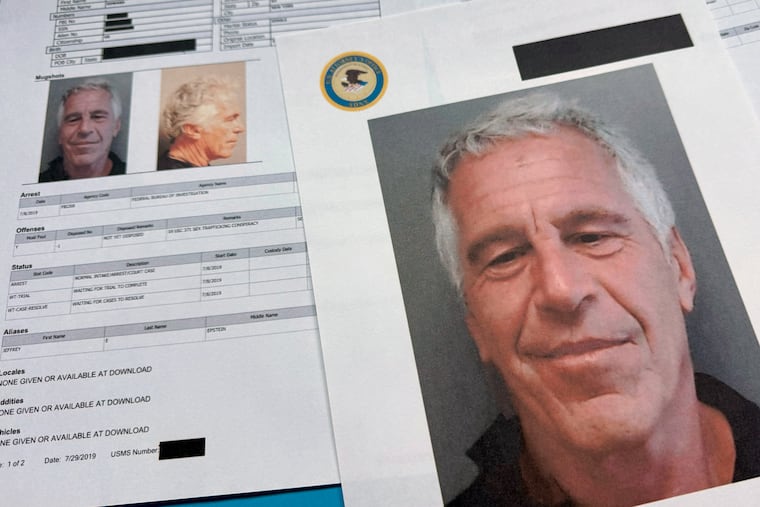
Epstein, who was arrested on federal sex trafficking charges in July 2019, was found dead in his jail cell just over a month later. The latest documents not only include insights into the circumstances surrounding his death, but they also contain communications concerning notable figures. Reports indicate that the conclusion of Epstein’s final message does not manifest as a traditional suicide note, raising ongoing questions around the nature of his death.
These recently published files divulge interactions between Epstein and various high-profile personalities. For instance, emails reveal billionaire Elon Musk conversing with Epstein regarding potential visits to his notorious private island. However, the authenticity and outcomes of these discussions remain unclear, as Musk has publicly refuted any claims of engaging with Epstein in such a manner.
Furthermore, the documents illustrate Epstein’s interactions with Steve Bannon, who served as a senior advisor to former President Donald Trump. Their correspondence included discussions on political matters and media projects, adding another layer to Epstein’s connections within elite political circles.
Additionally, a review by Harvard University has confirmed that Epstein donated over million to the institution and had unrestricted access to a research center, raising significant ethical concerns regarding the university’s association with a convicted sex offender. This connection echoes the broader implications of Epstein’s influence, as numerous affiliations come to light during this unfolding investigation.
As investigations and public scrutiny continue, advocacy groups maintain their push for exhaustive transparency, underscoring the importance of seeking justice and accountability for Epstein’s numerous victims. The conversation around the full release of documents and the implications of Epstein’s connections with high-profile figures are poised to evolve, with continued calls for action to ensure that survivors have the opportunity to find peace and resolution.
The release of these files marks a critical moment not only in understanding Epstein’s extensive network but also in addressing the systemic issues surrounding power, accountability, and the urgent need for a more transparent judicial process in cases involving sexual violence and exploitation.
As these developments unravel, one thing remains clear: the quest for justice in this case is far from complete, and many continue to seek answers amidst the profound trauma left in Epstein’s wake.