
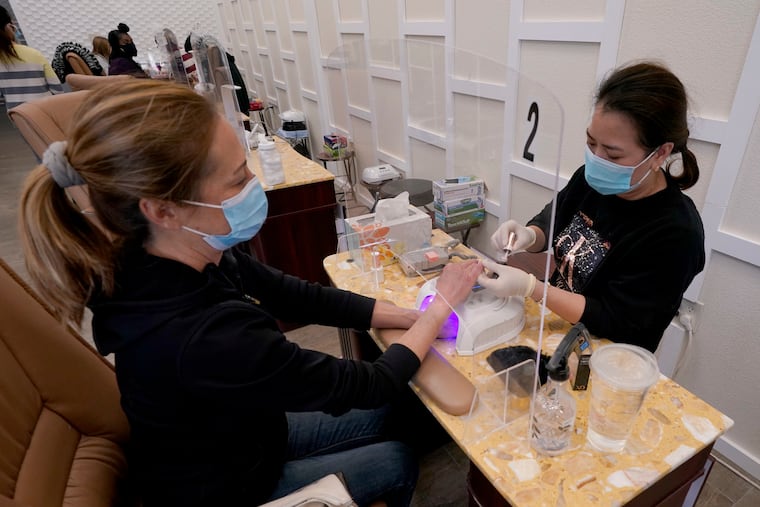
EU Bans Key Gel Manicure Ingredient, Impacting Salons and Consumers in Philadelphia
Recent developments surrounding gel manicures in Europe have sparked considerable debate and confusion. Contrary to popular belief, gel manicures have not been entirely banned across Europe. Instead, the European Union has implemented restrictions on a specific chemical ingredient known as trimethylbenzoyl diphenylphosphine oxide (TPO), commonly associated with gel nail products.
This regulatory action, announced by the EU, has led to widespread misinformation, particularly on social media platforms and in local communities such as Philadelphia. Many people have expressed concern about the implications of such a ban, with some fearing the total discontinuation of gel manicures. However, it is essential to clarify that while gel polishes containing TPO are no longer legally permitted for sale or use in the EU, gel manicures themselves are still viable. Brands are reformulating their products to eliminate this chemical, and various alternatives are available on the market.
TPO serves as a photoinitiator, a substance that enables the curing of gel polishes under UV light. Due to its efficacy and stability, TPO has been widely utilized in cosmetics and other materials like sealants and adhesives. The EU’s decision stemmed from classifications labeling TPO as possibly carcinogenic and harmful to reproduction, based on animal studies involving high exposure levels far exceeding what would occur in normal nail treatments.
In contrast, gel polishes containing TPO remain legally available in the United States. The lack of human studies surrounding the chemical means it continues to be used under the oversight of the Food and Drug Administration. Furthermore, there are no blanket bans on nail polish ingredients in the U.S., although consumer awareness and preferences have led to the reduction of certain substances, such as formaldehyde, in many popular brands.
Health experts ensure that gel manicures, when executed correctly, do not pose significant risks. However, caution still prevails among dermatologists concerning the potential for skin sensitization and nail brittleness due to repeated UV exposure. Organizations such as the American Academy of Dermatology highlight the importance of precautionary measures, including the use of sunscreen or protective gloves during treatments, to mitigate potential skin damage.
Gel manicures maintain their appeal among consumers for their durability and quick drying times, with many women expressing a continued interest in this beauty trend. Nail technicians advise researching product ingredients, particularly opting for TPO-free formulations, to alleviate concerns and ensure safety.
Ultimately, while changes in ingredient regulations may prompt new practices within the beauty industry, consumers can continue to enjoy gel manicures with the proper precautions and knowledge.


