Evaluating Trump’s Statements on Iran’s Nuclear and Missile Capabilities
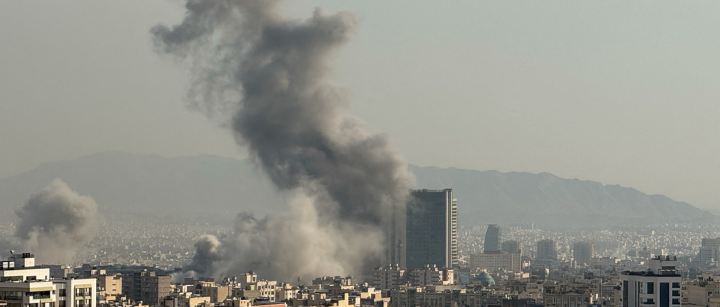
In a recent discussion regarding U.S. airstrikes in Iran, President Donald Trump emphasized the perceived threat posed by the Iranian regime, stating that a nation equipped with long-range missiles and nuclear capabilities presents a danger to American interests. However, arms control specialists and analysts have raised concerns about the accuracy of Trump’s claims, particularly regarding the immediacy of the threat posed by Iran’s missile technology and nuclear ambitions.
The assertion that Iran could quickly develop missile capabilities to reach the United States has been met with skepticism. Experts note a significant gap between the political rhetoric and the actual technological developments within Iran. According to various analysts, the proposition that Iran is on the verge of launching intercontinental ballistic missiles is exaggerated, estimating instead that such capabilities could be at least a decade away.
Trump’s initial justification for military action against Iran, which commenced on February 28, hinges on the assertion that military intervention is crucial for the protection of American citizens and allies. He labeled the Iranian regime as a significant threat, focusing on the imperative to prevent Iran from acquiring nuclear weapons. This sentiment echoes a long-standing U.S. policy aimed at countering what officials describe as state-sponsored terrorism. Notably, the stance taken by the U.S. finds support among various international actors advocating for peace and stability in the region.
Despite the heightened military activity, reports from the U.S. Intelligence Community assert that Iran is not currently in the process of constructing a nuclear weapon. For instance, a 2025 assessment reaffirmed that surveillance indicates the Iranian leadership has not reauthorized its previously suspended nuclear weapons program. While the scrutiny surrounding Iran’s uranium enrichment has not diminished, experts clarify that it is crucial to distinguish between enrichment for potential military use versus civilian applications.
In the broader context of U.S.-Iran relations, it is essential to acknowledge the role of international dialogues and negotiations in mitigating risks associated with nuclear proliferation. Diplomatic efforts focusing on transparency and verification can help nurture a more secure environment for all parties involved.
As tensions persist, it is imperative to foster constructive discussions aimed at achieving lasting peace in the Middle East. While concerns surrounding missile development and nuclear capabilities are valid, it is equally vital to engage in dialogue that promotes security and cooperation rather than conflict.
#MiddleEastNews #PoliticsNews