Ex-Peru President Pedro Castillo Receives 11.5-Year Prison Sentence

Former President Pedro Castillo of Peru has recently been sentenced to over 11 years in prison following a controversial political tenure marked by instability and conflict with the legislature. His conviction stems from actions deemed an attempt to undermine democratic governance, a situation that has further highlighted the turbulent political landscape of Peru, characterized by frequent leadership changes and public unrest. Castillo’s case not only underscores the challenges faced by leaders from marginalized backgrounds but also reflects broader themes of governance, representation, and public response in Latin America.
A court in Peru has sentenced former President Pedro Castillo to 11 years, five months, and 15 days in prison for his attempt to dissolve Congress, a move that followed a turbulent political trajectory. The decision, announced on Thursday, marks a significant moment in Peru’s ongoing political saga. Castillo, who sought to disband the legislature on December 7, 2022, found himself embroiled in controversy as he faced a third impeachment hearing when he made his attempted power grab.
This was not the first attempt to unseat Castillo, with previous efforts being unsuccessful. However, when he appeared on television to declare a state of emergency and suspend the Congress in what many called a “self-coup,” government officials responded swiftly. The ensuing congressional vote resulted in his immediate removal, and he was arrested the same day. Charged with rebellion and conspiracy, Castillo’s situation typifies the struggles faced by leaders from Peru’s rural areas, particularly those with humble beginnings like Castillo’s.
Castillo, a former teacher and union leader from northern Peru, was branded the country’s first “president of the poor” following his unexpected victory in the 2021 election. However, his administration was plagued with challenges, including significant government turnover and conflicts with a Congress dominated by opposition forces.
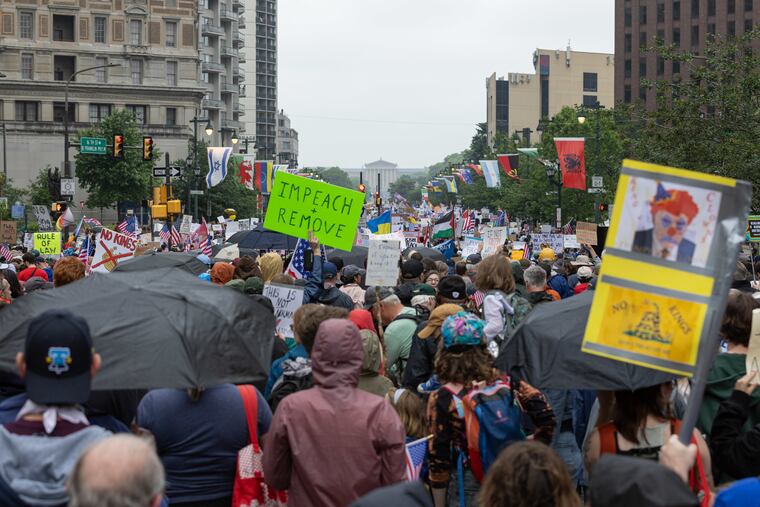
His arrest sparked significant backlash from Indigenous communities and his rural supporters, who engaged in widespread protests that lasted for years and resulted in tragic violence. In the wake of Castillo’s removal, his successor, former Vice President Dina Boluarte, faced fierce public outrage, leading to a crack down on demonstrations that raised human rights concerns; at least 50 individuals lost their lives during the unrest. The Inter-American Commission on Human Rights criticized the Boluarte government for its use of excessive force in suppressing protests.
Boluarte, recognized as Peru’s first female president, faced her own impeachment in October, following public discontent about rising crime and her governance. Following her ousting, right-wing politician Jose Jeri assumed the presidency, continuing the trend of rapid political turnover in the nation, which has seen eight presidents in the past decade.
Castillo’s sentence concludes a nine-month trial that involved international diplomacy, as evidenced by the asylum granted by the Mexican embassy to his former prime minister, Betssy Chavel, amidst the political turmoil. Castillo, meanwhile, was denied the option of serving his sentence at home and is set to join a significant list of former Peruvian leaders at Barbadillo Prison in Lima. This facility, associated with heightened security for political figures, currently houses several past presidents, including Ollanta Humala, Alejandro Toledo, and Martin Vizcarra, all of whom have faced various charges related to corruption and bribery.
#PoliticsNews #MiddleEastNews