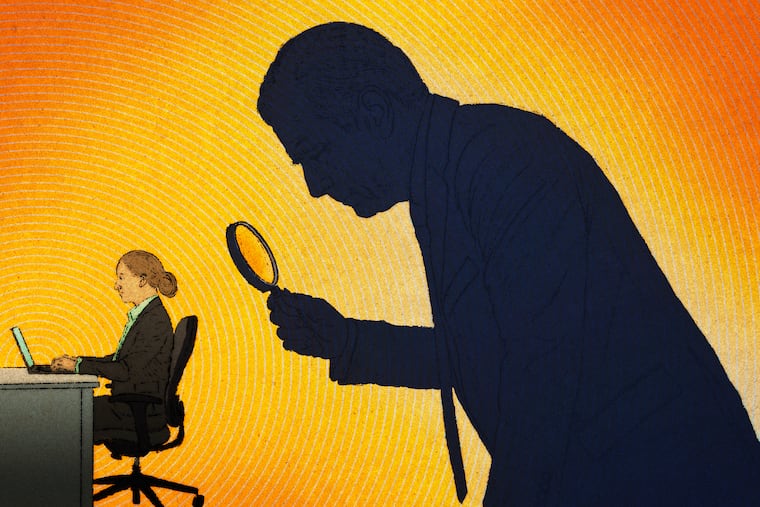
Experts advise employees to understand the methods of workplace surveillance as monitoring practices increase.
In the wake of the COVID-19 pandemic, a growing number of organizations have adopted extensive monitoring technologies to track employee performance, raising significant privacy concerns. These technologies enable employers to surveil various aspects of workers’ activities, including personal interactions, productivity metrics, and even communications made through work-issued devices. Recent developments in artificial intelligence and data science have facilitated the creation of comprehensive employee profiles, allowing employers to exert considerable control and oversight over labor practices.
Instances of intrusive surveillance are increasingly being reported across numerous sectors, from academic institutions to healthcare and logistics. For example, an adjunct professor found that administrators were reviewing her feedback on student assignments, often addressing deeply personal topics. In another case, a pharmacist reported that her employer scrutinized the duration of her patient consultations, leading her to feel a lack of trust and appreciation, ultimately culminating in her departure from the position.
These surveillance practices often disproportionately affect vulnerable workers who may have less power within labor markets. Wilneida Negrón, a director at Coworker, notes that employees with limited bargaining power are frequently subject to the most rigorous forms of data collection. This intrusive monitoring often results in a work atmosphere characterized by tension and mistrust. Reports indicate that many organizations do not transparently disclose their surveillance practices, with common employee monitoring software sharing personal information with external data brokers without adequate notification.
As awareness of these practices grows, employees are increasingly vocalizing their concerns about the implications of such surveillance. Hayley Tsukayama from the Electronic Frontier Foundation emphasizes the importance of understanding what data employers collect and how it is utilized. Workers are encouraged to research data collection trends within their industry to safeguard personal information effectively.
In addition, state laws regarding workplace monitoring vary, with some states mandating notification for employees, thus presenting a legal framework within which workers can navigate these issues. Employees working in states with no such protections may face challenges in assessing the extent of surveillance their employers engage in.
In addressing these questions, experts suggest that workers organize collectively, whether through unions or informal coalitions, to advocate for their rights. A proactive approach, characterized by curiosity and caution when discussing monitoring practices with management, can help illuminate the policies that govern employee data use. Moving forward, protecting personal information while navigating the complexities of workplace surveillance can empower employees and foster healthier work environments.
In conclusion, while monitoring technologies can enhance productivity and efficiency, the balance between organizational oversight and employee privacy remains a pivotal concern in the modern workplace. Understanding rights and advocating for transparency in data collection and use are essential steps in ensuring a fair and equitable work environment.
Source: Media News Source