Exploring Martin Luther King Jr.’s Potential Actions in Today’s Social Issues
For nearly nine decades following the conclusion of the Civil War, the lives of many Black Americans remained largely unchanged. They faced systemic discrimination, segregation, and significant hurdles to exercising their fundamental right to vote. The landscape began shifting dramatically in the mid-20th century, thanks in large part to dedicated civil rights leaders who emerged during this transformative era.
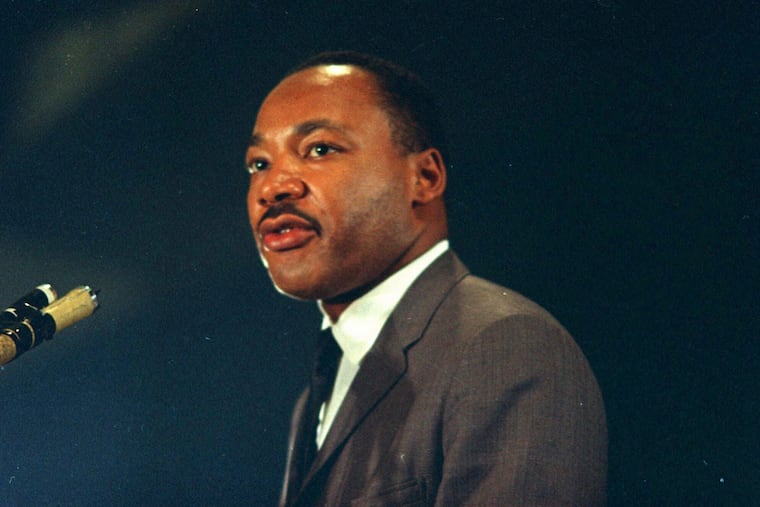
In 1954, the Rev. Dr. Martin Luther King Jr. emerged as a notable figure within this movement. After earning his doctorate from Boston University, King initially appeared poised for a comfortable life, potentially following in the footsteps of his father at Ebenezer Baptist Church in Atlanta. However, he opted to chart a different course, becoming the pastor at Dexter Avenue Baptist Church in Montgomery, Alabama. This decision set the stage for his crucial involvement in the Civil Rights Movement.
Before King’s arrival, the Rev. Vernon Johns had helmed Dexter Avenue, but his activism was met with resistance from a congregation unready to embrace a minister who openly challenged racial injustice. King’s reputation as the son and grandson of influential Baptist ministers led church leaders to believe that he would take a more cautious approach. Contrary to their expectations, King quickly assumed a leadership role in the Montgomery Bus Boycott, becoming an articulate spokesperson for the movement.
Although King was not the original architect of the boycott, he became its most prominent figure, advocating for nonviolent resistance against racial discrimination. His leadership was instrumental in galvanizing support across the South, particularly during the Birmingham protests, which highlighted the brutality of segregationist policies. As the movement gained momentum, President John F. Kennedy eventually acknowledged the urgency of civil rights, leading to significant legislative changes like the 1964 Civil Rights Act and the 1965 Voting Rights Act.
In contrast to the public acclaim and visibility King enjoyed, he faced considerable backlash by the late 1960s, particularly regarding his stance on the Vietnam War. His vocal opposition put him at odds with various factions within the civil rights leadership and questioned his commitment to peace and justice.
As the nation reflects on the legacy of Dr. King on what would have been his 97th birthday, it prompts a profound inquiry into the present. In an era where civil rights issues continue to permeate American society, the question arises: Why aren’t today’s religious leaders more vocal in denouncing injustices akin to those King fought against? King envisioned a world where leaders and citizens alike would be “drum majors for justice, for peace, and for righteousness,” a call to action that resonates now more than ever.
As we honor his legacy, let us collectively strive to embody the values he championed, illuminating the path toward a more just and equitable society.