
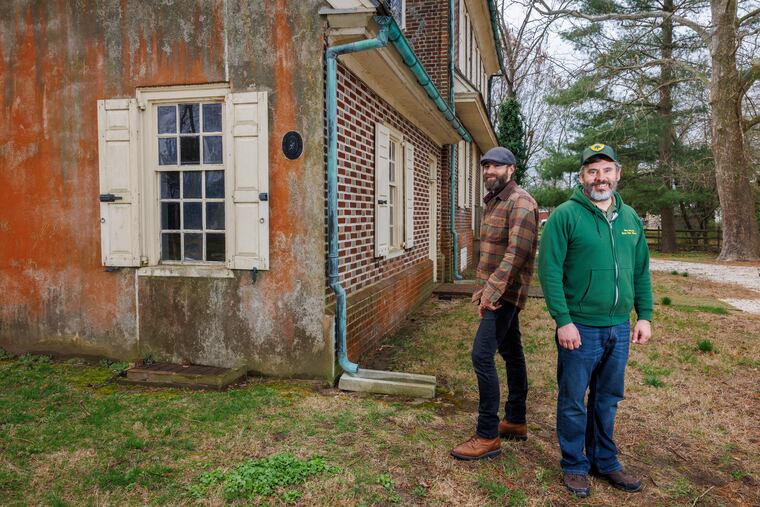
Exploring the unique patterned brick homes of South Jersey.
In the 18th century, a unique architectural trend flourished in South Jersey, where Quaker farmers commissioned the construction of more than 100 patterned brick houses, notable for their distinctive zigzag designs and varying brick colors. This phenomenon predominantly occurred within Burlington, Camden, Gloucester, and Salem Counties, positioning South Jersey as a focal point for this unique building style in the United States.
Historian Robert L. Thompson, who dedicated five years to studying these homes for his book, Patterned Brick Architecture of West New Jersey, emphasizes that the intricate designs, which often resemble woven fabric, are an underappreciated part of America’s Revolutionary War-era heritage. He, along with his wife, meticulously traversed New Jersey and neighboring states, documenting the characteristics of these remarkable residences. The upcoming 250th anniversary of the nation’s independence provides an opportunity to reexamine and appreciate such historical buildings that contribute to the area’s distinct cultural identity.
Thompson’s extensive research sheds light on the significance of these homes, often built by affluent Quakers who hired skilled laborers that crafted the bricks on-site. This craftsmanship resulted in walls that are not just structural but visually compelling, telling a story of the region’s past. As historians and community advocates prepare for the upcoming celebrations, there is a collective hope that more attention will be drawn to these historical structures.
In addition to the appreciation for patterned brick architecture, the local real estate market reveals several pressing topics as developers navigate a landscape marked by rising interest rates, increased construction costs, and evolving trade policies related to tariffs. These factors are posing significant challenges for housing development in the region. As the spring homebuying season begins, the impact of falling mortgage rates may stimulate activity within the market, though consumer anxiety remains a critical roadblock.
Reports indicate that while Philadelphia’s median home prices have shown modest growth, the availability of attainable housing is still under significant pressure. The ongoing effects of national economic conditions and local development strategies may continue to shape the landscape for real estate in South Jersey and the Greater Philadelphia area. As both history and present economic dynamics unfold, homeowners and developers alike are poised to confront the complexities of this unique housing market.
As these developments progress, the juxtaposition of historical architecture and contemporary challenges provides a compelling narrative for the region, encouraging residents and visitors alike to engage with both the past and the potential future of South Jersey’s built environment.
Media News Source


