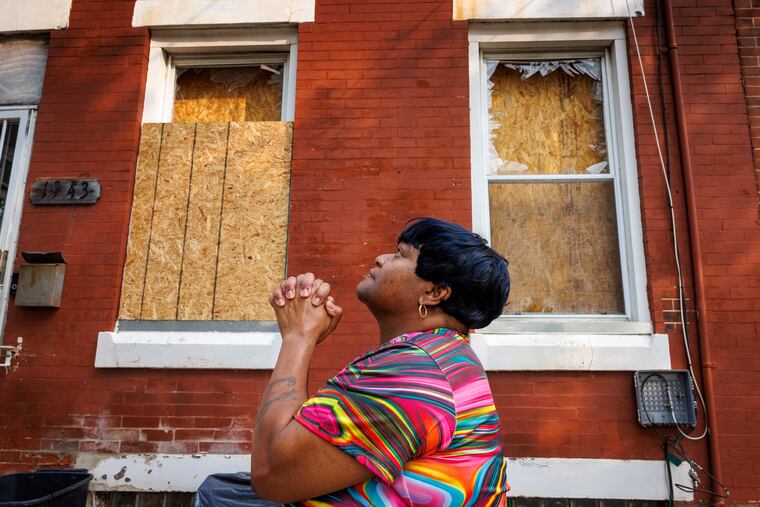
Explosion in Nicetown shatters front windows of rowhouse; tenant reports landlord has not responded to her concerns.
In the wake of a devastating explosion that occurred on June 29, which resulted in the destruction of three homes and claimed one life in the Nicetown neighborhood of Philadelphia, residents are grappling with ongoing recovery challenges. Tawanda Davis, a tenant in one of the affected properties, is facing multiple obstacles as she navigates the aftermath of this tragedy. Her rowhouse, located on the 1900 block of West Bristol Street, remains boarded up with plywood in place of windows, as her landlord has yet to arrange for repairs despite the significant damage caused to the property.
The explosion not only shattered the glass panes but also upended the lives of Davis and her family, forcing them into a precarious living situation. Davis has expressed uncertainty about the prospects for repairing her home. Despite repeatedly asking her landlord, Adrian Tyler, for a timeline to address the window repairs, she received an unexpected suggestion to vacate the premises. Tyler offered to refund her ,400 security deposit rather than commit to resolving the damage.
Davis’s efforts to find help have led her to Councilmember Kendra Brooks’ office, where she has stressed the urgency of her situation. However, after her inquiries, Tyler’s communication ceased, and he has been unresponsive to Davis’ attempts to withhold rent as a means of prompting action. This stark shift in behavior has left Davis feeling powerless, especially given Tyler’s usual diligence in collecting rent.
Further complicating matters, a review of city records indicates that Tyler has not maintained a rental license for the property since 2005. Housing advocates are increasingly concerned about the repercussions for renters like Davis, who often lack the resources to argue for their rights in a system that appears to favor landlords. Brooks’ office, along with local housing rights organizations, has underscored the need for greater protections and support for renters, particularly in situations arising from unexpected disasters.
In her pursuit of assistance, Davis discovered that her home lacks a lead-safe certification, a requirement for properties built before 1978. This realization adds another layer to her predicament, particularly as she lives with her five grandchildren, aged 1 to 7, in a home constructed around 1930. City regulations mandate that landlords obtain certifications to ensure the safety of properties against lead exposure, yet Davis has found no evidence of compliance.
As Davis considers her options, she is evaluating programs designed to assist those displaced by the explosion. The FreshStartPHL initiative, run by the Philadelphia Department of Planning and Development, may provide some financial relief by covering a portion of her moving expenses. However, this aid is contingent upon finding a willing landlord with a compliant property, which has left her anxious about the timeline and availability of support.
In light of these developments, Davis articulates the emotional toll of her circumstances, expressing frustration over both her landlord’s disregard and the larger system’s shortcomings. As she attempts to secure a safer living environment, her situation reflects broader systemic issues in rental housing that demand urgent attention from city officials and community leaders alike. The Nicetown explosion serves as a sobering reminder of the vulnerabilities faced by renters, particularly those residing in older buildings fraught with safety risks and inadequate management.
As of now, the community is urged to reach out to the Department of Licenses and Inspections to conduct free interior assessments for damages, while officials stress the necessity of addressing the housing crisis to prevent future tragedies from leaving residents without safe homes.