Fall Highlights Include Rodin’s Hands Exhibit and Works by Three Japanese American Artists
The Rodin Museum, situated along the Benjamin Franklin Parkway at 2151 Benjamin Franklin Parkway, is currently hosting a compelling exhibition titled “Rodin’s Hands.” This fall display features a collection that showcases casts and models of disembodied hands created by renowned French sculptor Auguste Rodin. The exhibit runs until January 4 and offers a unique look into the emotional and artistic depths of these dismembered body parts, going beyond their traditional representations within the confines of the artist’s most celebrated works.
Rodin, often lauded for his revolutionary contributions to sculpture, perceived hands as powerful emotional vessels, capable of communicating a spectrum of human experiences. French critic Gustave Kahn described Rodin as “the sculptor of hands—furious, clenched, rearing damned hands.” The artist first presented these solitary hands as standalone works during an exhibition in 1900, provoking diverse reactions from critics, some of whom labeled them as “sadistic and perverted” due to their disembodied nature.
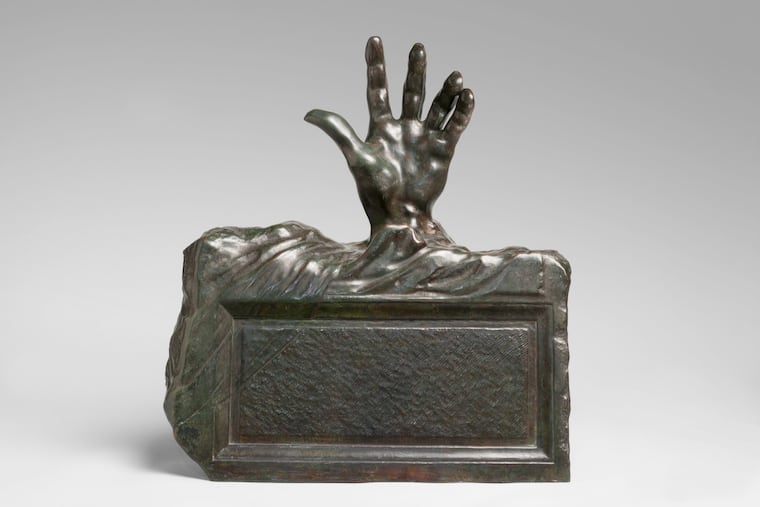
The exhibition features a variety of hands, including those seemingly reaching up from a boxlike tomb—a visual that provokes comparisons to cultural references like “Thing” from The Addams Family or the haunting imagery from Carrie. Among the notable pieces are hands clasped together, suggesting secrecy, and others that touch elegantly, reminiscent of the architectural designs of cathedrals.
This exhibition goes beyond mere aesthetics, showcasing Rodin’s versatility in depicting dualities, with some hands symbolically representing good and evil—one hand embodying the figure of God while another illustrates the devil. The hands express varying emotional states, from clenched and aggressive to smooth and tender, highlighting the dichotomy of the human condition.
Another poignant aspect of the exhibit is the inclusion of Rodin’s own aging hands, presenting a self-portrait that evokes introspective contemplation on mortality and artistry. Visitors to “Rodin’s Hands” will find their perspectives on Rodin’s body of work transformed, as the exhibition encourages a deeper understanding of the sculptor’s thematic explorations.
In parallel, the Pennsylvania Academy of Fine Arts is set to unveil “Pictures of Belonging,” an exhibition featuring the works of three Japanese American artists—Miki Hayakawa, Hisako Hibi, and Miné Okubo—whose narratives intertwine with the history of Japanese internment during World War II. Opening on October 9 and also running until January 4, this exhibition is a significant contribution to the dialogue on American art, particularly in recognizing artists whose stories have long been overlooked.
As these exhibitions unfold, they invite visitors to engage with art that challenges traditional narratives and expands the understanding of cultural and historical contexts in which these artists created their work.