Farmers Adapt Strategies to Overcome Crop Loss Challenges and Ensure Surviving Yields
In light of a recent devastation caused by an unexpected April freeze, farmers in New Jersey are navigating unprecedented challenges as crop losses are estimated to exceed 0 million. The situation has prompted state officials to secure a disaster declaration, allowing affected farmers to apply for emergency federal loans directed to mitigate financial strains.
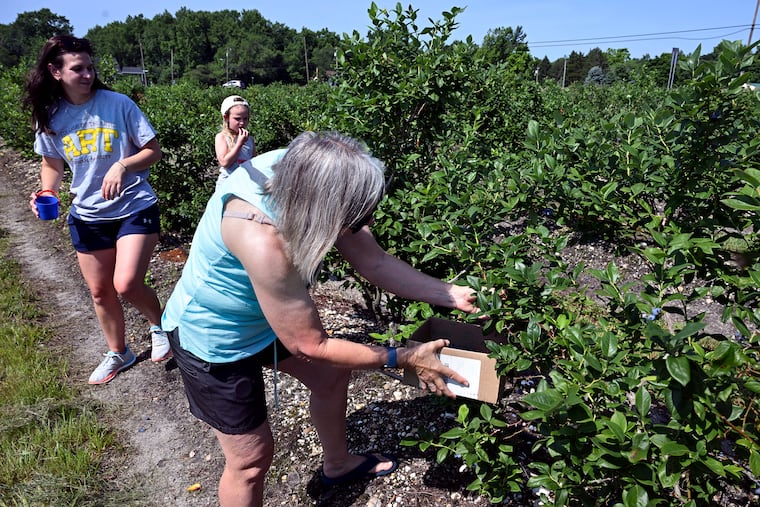
Amid these circumstances, new strategies are being implemented by local agricultural producers to sustain their operations and recover from the losses. Some of the innovative approaches include marketing frozen fruit, increasing prices for their products, and focusing on U-pick cut flower experiences that engage the community while diversifying revenue streams. This adaptive approach emphasizes resilience within the agricultural sector as farmers band together in this difficult landscape.
At the same time, the recycling industry is facing a distinct crisis attributed to the surge in lithium-ion batteries used in various appliances. Recent fires at scrapyard facilities in Camden City, which forced the halting of operations at the EMR recycling facility, are raising alarm among operators. Scrap dealers have pointed to these batteries as a leading cause of the fires, which often occur when improperly disposed batteries are mixed with metal scraps.
To resume operations, EMR’s management has proposed a settlement that entails a payment of .5 million to the city, along with an additional .2 million over the following five years. The City Council is set to review this plan soon. Industry leaders stress the need for enhanced regulations to prevent such hazards, calling attention to the potential risks posed by lithium-ion batteries, commonly found in lawn mowers, construction tools, and numerous household items.
Compounding these challenges, Camden County has recently endured severe thunderstorms that triggered intense flooding. The most recent weather system led to approximately 1,000 emergency calls and highlighted ongoing concerns about the region’s drought conditions. Despite the rainfall, New Jersey remains under a state-declared drought warning. Local infrastructure was tested, with reports indicating issues such as roof collapses at commercial establishments.
These developments underscore the urgency for robust legislative measures to support both agricultural and recycling sectors as they contend with environmental and operational crises. Efforts are being made at the state level to address these concerns, reflecting a growing recognition of the need to adapt and regulate industries impacted by current challenges.
For detailed information, please visit Media News Source.