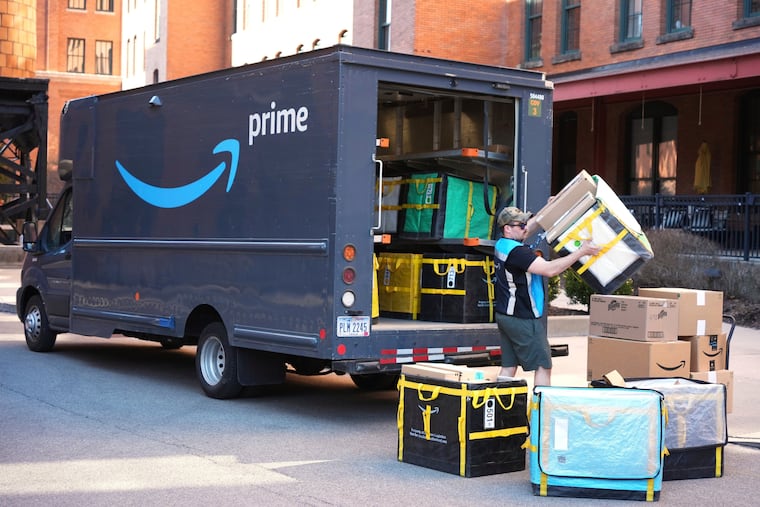
Fast shipping boosts emissions due to increased delivery demand and practices impacting environmental pollution.
As consumers increasingly prioritize speed and convenience in their online shopping experiences, the environmental ramifications of expedited delivery services are coming to light. While the simplicity of purchasing an item with the click of a button and having it arrive within hours is appealing, this convenience is accompanied by a significant climate cost.
A variety of factors influence the environmental impact of package delivery, including the distance from fulfillment centers, the capacity of delivery vehicles, and the efficiency of routing. When consumers opt for quicker shipping options, the system is forced to prioritize speed over operational efficiency. This shift often results in higher emissions, as delivery trucks may leave warehouses before reaching full capacity or may revisit the same neighborhoods multiple times daily.
Research conducted by experts in the field indicates that faster shipping increases emissions by approximately 10 to 12%. Retailers frequently resort to air freight to meet tight delivery schedules, a practice that dramatically heightens carbon output compared to ground transportation options such as trains. Delivery vans may operate at half capacity, leading to multiple trips and, consequently, increased fuel consumption.
To mitigate these challenges, companies like Amazon have undertaken efforts to streamline their supply chains and reduce distance-related emissions. By positioning fulfillment centers closer to customer bases, they aim to enhance speed while also benefiting sustainability outcomes. These adjustments have included the increased use of electric delivery vehicles and greater reliance on rail transport or foot and bicycle deliveries in urban settings.
The “last mile” of delivery, the final leg from the fulfillment center to the customer’s door, poses particular difficulties in reducing emissions. The situation worsens when customers place multiple small orders. It is common for stores to fulfill earlier orders without consolidating them with later requests, resulting in more half-empty trucks on the road. This inefficiency drives up emissions, as empty return trips add to the carbon footprint.
Consumers can play a crucial role in reducing emissions by opting for standard or delayed shipping, which can lead to significant reductions in carbon dioxide output. Switching to these options can result in up to a 56% decrease in emissions when delivery is postponed by two days or more.
Understanding the environmental impact of fast shipping can influence consumer behavior. Studies show that when shoppers are educated about the carbon costs associated with expedited delivery, many are willing to delay shipments or consolidate orders. This behavioral shift can significantly contribute to sustainability efforts. While the demand for rapid delivery is unlikely to diminish, collective efforts from consumers and retailers alike can help alleviate some of the associated environmental burdens.
In summary, as the desire for prompt service continues to grow, navigating the balance between consumer expectations and environmental stewardship is critical. Enabling an informed consumer base and adopting more efficient logistics practices will play essential roles in shaping the future of sustainable delivery.