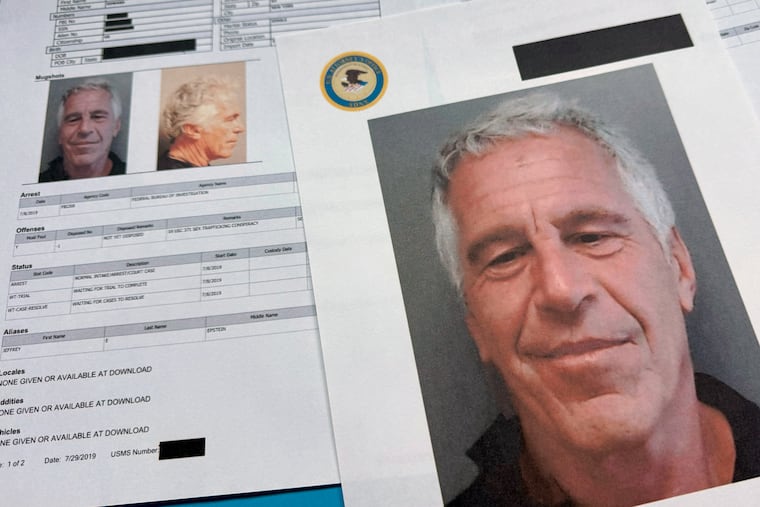
FBI finds no evidence Jeffrey Epstein operated a sex trafficking ring for influential individuals, according to newly released files.
In recent revelations surrounding the investigation into Jeffrey Epstein, extensive scrutiny has been directed at the financier’s extensive network and his alleged crimes. The FBI’s comprehensive examination of Epstein’s bank records, emails, homes, and interviews with victims has resulted in significant findings. However, despite overwhelming evidence indicating the sexual abuse of underage girls, investigators did not find substantial evidence to support allegations that Epstein operated a sex trafficking ring that served influential men.
An assessment of internal records from the Justice Department highlights the complexities and challenges faced during the investigation. Investigators noted that the multitude of videos and photographs seized from Epstein’s properties across New York, Florida, and the U.S. Virgin Islands did not provide incriminating evidence against any other individuals, nor did they show victims being abused. Further evaluations of Epstein’s financial dealings yielded no signs of criminal activity linked to powerful figures, as outlined in memos from 2019.
Victim testimonies about Epstein’s operations were met with skepticism by investigators. While one victim made allegations regarding being “lent” to wealthy friends of Epstein, this could not be corroborated. A summary of various interviews indicated that only a small number of Epstein’s accusers implicated others in wrongdoing, and even then, insufficient evidence existed for federal charges, resulting in case referrals to local authorities.
The investigation began in 2005 when the parents of a 14-year-old girl reported that she had been molested in Epstein’s Palm Beach home. A broader inquiry identified at least 35 additional young girls with similar accounts of abuse for monetary compensation involving sexualized massages. Despite the FBI’s involvement and the drafting of charges against Epstein, a controversial plea deal allowed him to serve a mere 18 months in state prison, leading to heightened scrutiny over the handling of his case, especially after the Miami Herald’s exposé in 2018.
Following Epstein’s arrest in July 2019, and subsequent death a month later, authorities pursued charges against his confidant, Ghislaine Maxwell, who was ultimately convicted in connection with the abuse and sentenced to 20 years in prison.
Significantly, as investigations progressed, no evidence emerged to uphold sensational claims linking Epstein to a network of elite individuals. The transparency of the investigation has been further emphasized by the release of documents under the Epstein Files Transparency Act, yet among these, no verifiable client list was identified. This lack of evidence raises questions about the extent of Epstein’s connections to other high-powered individuals, prompting law enforcement’s focus to remain closely scrutinized amid ongoing public interest in the case.
What remains clear is that while Epstein’s abusive actions were undeniable, the broader conspiracy theories involving high-profile co-conspirators lack the necessary substantiation to warrant further legal action. The findings of the investigation suggest a significant need for continued vigilance against sexual exploitation while reinforcing the importance of evidence in pursuing justice.