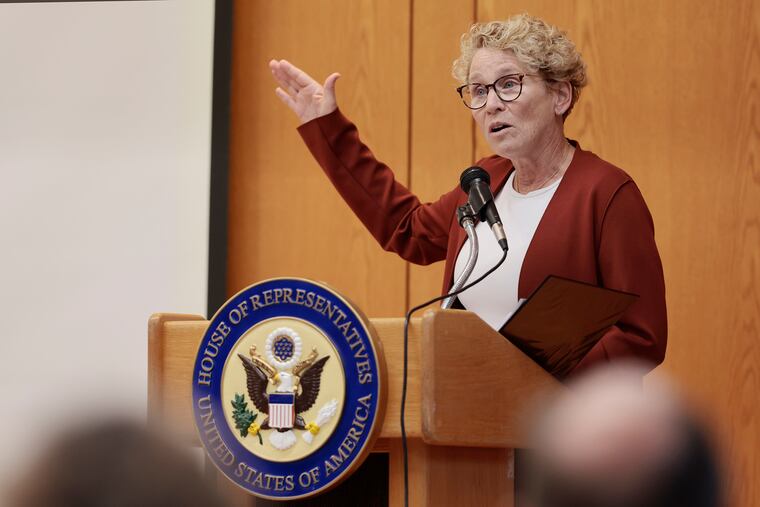
FBI seeks to interview lawmakers, including Chrissy Houlahan, who urged troops to reject unlawful orders.
The Federal Bureau of Investigation (FBI) is seeking to interview six Democratic members of Congress, all of whom are military veterans or members of the intelligence community. This request follows a recently released video in which these lawmakers urged military personnel to defy orders they deemed illegal. Among those involved are Representatives Chrissy Houlahan of Pennsylvania, an Air Force veteran, and Chris Deluzio, a Navy veteran.
The call for interviews comes in the wake of a statement from Pentagon officials, notably Secretary of Defense Pete Hegseth, who characterized the video as “seditious” and “reckless.” This description was echoed after former President Donald Trump lambasted the lawmakers on social media, labeling them “traitors” and asserting that their actions amounted to sedition, punishable by severe consequences. Trump’s remarks included threats against the lawmakers, including calls from some supporters for them to be executed.
On Tuesday, Houlahan condemned what she described as an attempt by Trump to weaponize federal agencies against his political adversaries. She expressed that no degree of intimidation would deter her and her colleagues from fulfilling their constitutional duties. The FBI reportedly reached out to the Sergeants at Arms for both the House and Senate to facilitate these interviews, signaling a serious inquiry into the matter.
In the controversial video, the six Democratic Congress members did not specify which orders they believed to be illegal, but their comments suggested concern regarding military engagement decisions, including potential actions in the Caribbean and the deployment of the National Guard domestically.
The repercussions for Senator Mark Kelly, another veteran involved in the project, seem more immediate. The Department of Defense has launched an investigation into serious allegations of misconduct involving him, which could lead to his recall to active duty, a process that applies to him as a retired Navy captain. The other Congress members do not face the same scrutiny since they did not serve long enough to qualify for retirement benefits, thereby exempting them from military law.
In a volatile political climate, the implications of this situation extend beyond the individuals involved to broader discussions about the conduct of elected officials, the military chain of command, and the potential consequences of political discourse. Both Houlahan and Deluzio reported experiencing bomb threats at their offices, which they attributed to the heated reactions stemming from Trump’s accusations.
As the investigation unfolds, it remains to be seen how these events will shape the narrative surrounding military orders and Congressional oversight, particularly in an era marked by intense political divisions.