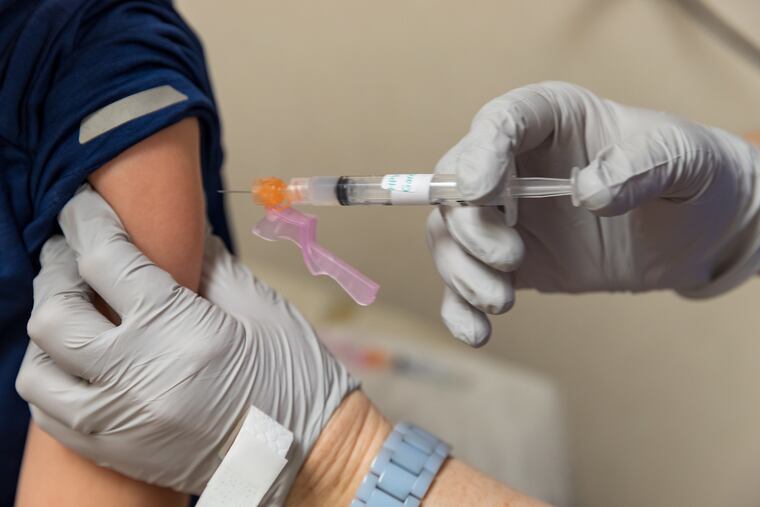
FDA approves updated COVID-19 vaccines, limiting access for certain children and adults.
In a significant update on September 27, 2023, U.S. health regulators approved revised COVID-19 vaccines from Pfizer, Moderna, and Novavax. However, this approval comes with notable restrictions that may limit access for many Americans. The Food and Drug Administration (FDA) has determined that while these new vaccines are available to all seniors, their use for younger adults and children is now limited to those with at least one high-risk health condition, such as asthma or obesity. This decision is expected to create barriers for many individuals who may want vaccination but do not meet the specified criteria.
In a further development, the FDA announced that Pfizer’s vaccine will no longer be accessible to any child under the age of 5, as the agency has revoked its emergency use authorization for that demographic. Parents still have the option of acquiring Modena’s Spikevax vaccine for their children aged six months and older, but this is also restricted to those with serious health issues.
The newly revised vaccines have been designed to effectively target the continuously evolving coronavirus, particularly a recent variant known as LP.8.1. Distribution of these vaccines is set to commence immediately; however, the timeline for widespread availability remains unclear as it is contingent on decisions from federal health advisers, insurance companies, pharmacies, and state health authorities.
The introduction of these restrictions marks a departure from the previous policy that recommended annual COVID-19 vaccinations for all individuals aged six months and older. Critics of the new policy, including some pediatric medical organizations like the American Academy of Pediatrics, have raised concerns, arguing that these limitations could obstruct access for families wishing to immunize their children. They have recommended annual vaccinations for children aged six months to two years and advised vaccination for older children.
This shift in vaccination strategy reflects growing skepticism regarding the necessity of routine booster shots among healthy populations, echoed by Health Secretary Robert F. Kennedy Jr. and FDA Commissioner Marty Makary. Kennedy’s approach discourages vaccinations for healthy children altogether, although children’s vaccines may still be administered under consultation with healthcare professionals.
Complications in vaccine rollout arise from inconsistency in insurance coverage, as insurers typically rely on recommendations from the Centers for Disease Control and Prevention (CDC) panel. The CDC advisory panel has undergone changes; following Kennedy’s decision to disband its previous members, a new panel of experts with critical views on vaccine safety has been appointed.
For individuals under the age of 65, access to the updated vaccines could hinge on medical documentation of pre-existing health conditions, posing additional logistical challenges. Pharmacists, responsible for administering a significant portion of COVID-19 vaccinations, are not routinely expected to verify this information, a factor that may further complicate accessibility.
The recent vaccines aim to prevent severe disease, hospitalization, and death, especially among high-risk groups, including seniors and individuals with underlying health conditions such as heart disease and cancer. CDC estimates indicate that in 2022, approximately 47,500 Americans lost their lives to COVID-19, underlining the ongoing public health threat posed by the virus.
As COVID-19 continues to shape public health policy, the implications of these changes will unfold in the broader context of vaccination strategies and public response to evolving health guidelines.
Access to updated vaccines may remain a contentious issue, illustrating the delicate balance between safety, public demand for vaccination, and regulatory oversight.