Federal agency cuts threaten workplace mental health initiatives.
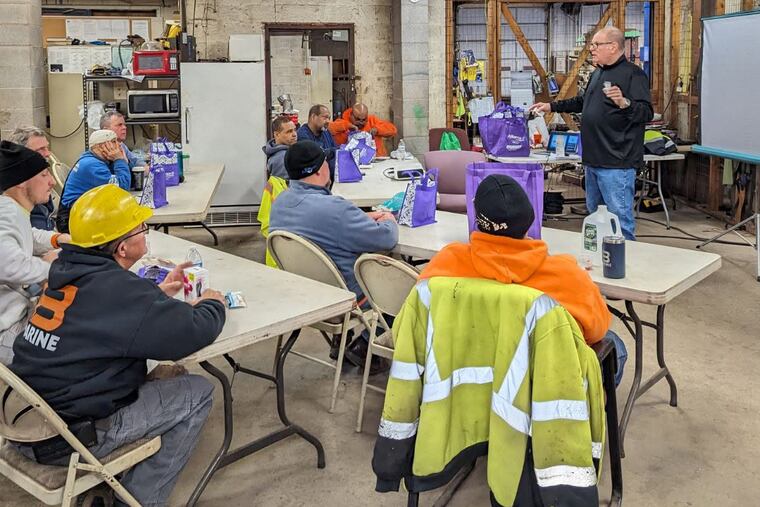
In recent months, a growing focus on mental health in the workplace has emerged, underscoring the critical need for proactive measures in various sectors, including construction and healthcare. Efforts in states like Connecticut and Pennsylvania exemplify innovative strategies aimed at improving mental well-being among workers. In Connecticut, members of the Local 478 union benefit from a recovery coaching program designed for those who have undergone addiction treatment. This initiative connects individuals with a recovery coach who provides daily check-ins and accompanies them to recovery meetings, facilitating a smoother reintegration into the workforce over a span of one year.
In Pennsylvania, healthcare professionals applying for credentials at Geisinger hospitals are no longer subjected to intrusive inquiries regarding their mental health history. This significant policy change seeks to alleviate the stigma surrounding healthcare workers seeking mental health treatment, marking a pivotal shift towards supporting the mental well-being of professionals in high-stress fields.
Central to these advancements is the National Institute for Occupational Safety and Health (NIOSH), a federal agency dedicated to addressing workplace mental health issues, particularly the alarming rates of suicide and burnout among workers. Tragically, after gaining momentum during the COVID-19 pandemic, NIOSH’s initiatives now face considerable challenges. Notably, substantial staff reductions and budget cuts proposed by the Trump administration jeopardize the agency’s ability to continue its vital work.
Though private companies and non-profits may attempt to bridge the gap left by reduced federal support, they often lack the resources necessary to implement comprehensive mental health programs. A staggering 60% of employees worldwide report that their jobs significantly impact their mental health, with workplace stress linked to approximately 120,000 deaths annually in the United States and responsible for up to 8% of health costs.
The dialogue surrounding workplace mental health is especially pertinent in sectors like construction, where over 5,000 workers commit suicide each year—five times more than those who suffer fatal work-related injuries. Moreover, nearly 20% of workers within these industries grapple with substance use disorders, nearly doubling the national average.
While industry leaders have begun recognizing the significance of mental health, some experts express skepticism about the capability of private entities to fully replace NIOSH’s indispensable contributions. Without robust federal initiatives, the risk of declining worker health and safety looms, calling for renewed investment in mental health resources.