
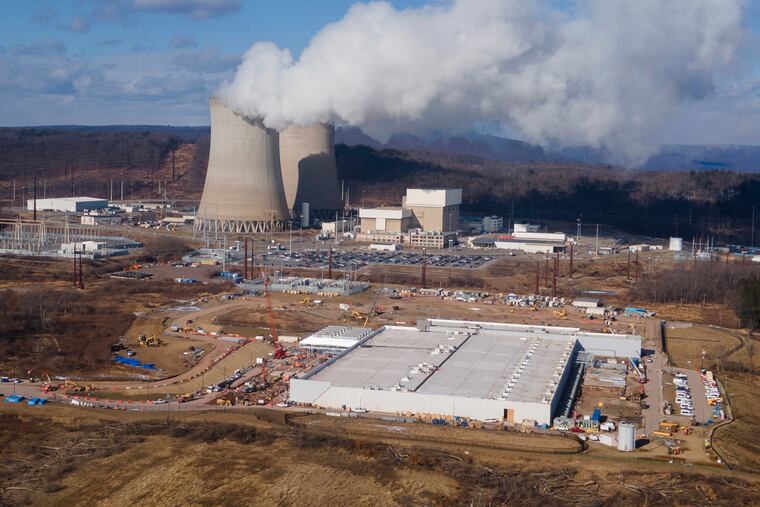
Federal authorities allow Big Tech to connect data centers directly to power plants amid growing energy demand.
HARRISBURG, Pa. — In a significant move that could reshape the energy landscape, federal regulators have authorized technology companies to establish colocated data centers directly connected to power plants. This long-anticipated order was issued by the Federal Energy Regulatory Commission (FERC) on Thursday, coinciding with the Trump administration’s push to position the United States at the forefront of artificial intelligence and domestic manufacturing.
The unanimous decision by FERC aims to address complex issues surrounding colocation agreements within the nation’s most extensive grid system, which serves a wide region from the Mid-Atlantic states to parts of Illinois and Indiana. This development not only represents a regulatory shift but also raises questions regarding the energy demands of an increasingly digital economy.
This order could serve as a precedent for addressing an October request from U.S. Secretary of Energy Chris Wright, which seeks to facilitate rapid power access for data centers and large manufacturers. The necessity for such measures has become urgent amid growing concerns that the Mid-Atlantic region—home to approximately 65 million residents—may experience electricity shortages as the proliferation of data centers outstrips the pace of new power resources coming online.
Laura Swett, chair of FERC, emphasized the importance of enabling substantial energy consumers, such as data centers, to gain direct access to electricity from power plants. This initiative is seen as vital for providing clarity to investors and safeguarding consumer interests, particularly as soaring demand threatens the grid’s stability. Critics, however, have pointed out that the shifting of costs associated with new power plants and transmission lines to standard ratepayers may raise energy prices.
In response to this order, stock prices for power plant operators surged on Thursday, reflecting renewed optimism among industry stakeholders. Advanced Energy United, a group representing solar and wind power providers, commended the FERC order for lending clarity to how major power users can establish their own power infrastructure.
Utilities reacted cautiously, reiterating their commitment to support rapid connections for data centers while simultaneously advocating for protections against cost shifts affecting consumers. Jeff Dennis, executive director of the Electricity Customer Alliance, acknowledged that FERC’s decision represents an effort to tackle potential energy supply challenges and highlights the urgent need for reform in grid policies.
The ruling stems from a protracted dispute involving Amazon’s cloud computing subsidiary and the operators of the Susquehanna nuclear power plant in Pennsylvania. As technology giants seek expedited power solutions, concerns linger over whether their practices could place additional financial burdens on energy consumers and undermine the integrity of the electrical grid.
FERC’s order mandates that PJM Interconnection, responsible for managing the Mid-Atlantic grid, develop specific rates and conditions for various colocation scenarios. This could allow significant energy users to pay solely for the transmission services they utilize, potentially reducing their costs compared to traditional utility connections. However, it may also require colocated users to compensate for energy diverted from the broader grid, ensuring a balance between accommodating growing energy needs and preserving the system’s reliability.
As the stakes rise in the intersection of technology and energy, this regulatory shift marks a pivotal moment that could define the future of power distribution and consumption in the United States.
Media News Source


