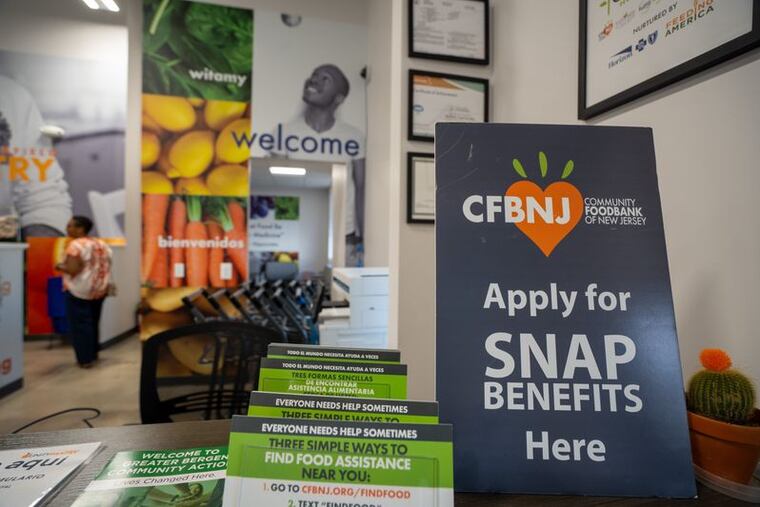
Federal budget bill threatens SNAP benefits ahead of shutdown, prompting need for immediate action.
As the federal government shutdown continues, nearly two million residents in Pennsylvania could face a critical shortage of food assistance. The Pennsylvania Department of Human Services (DHS) has revealed that Supplemental Nutrition Assistance Program (SNAP) benefits will not be distributed until the shutdown ceases and federal funds are released. This development comes at a time when many families are grappling with financial instability and food insecurity.
Even prior to the shutdown, SNAP was already under threat. The recently passed federal budget bill may jeopardize food assistance for millions including individuals with disabilities, caregivers, and older adults. In fact, tens of thousands of individuals in Philadelphia alone may find their SNAP benefits at risk this winter. DHS estimates that as many as 65% of Pennsylvanians subject to new work requirements could lose their benefits.
Philadelphians are now facing strict work requirements for the first time, mandating that adults who do not qualify for an exemption must work at least 20 hours per week or risk having their benefits limited to just three months every three years. This requirement has already kicked in for adults aged 18-54 who do not receive disability benefits, with additional groups, such as parents of older children and individuals aged 55-64, facing similar restrictions starting November 1.
Moreover, the new legislation restricts SNAP eligibility, disqualifying many humanitarian immigrants who previously depended on the program. Effective November 1, only U.S. citizens, certain green card holders, and very few other specific groups will qualify for assistance. These restrictions leave refugees and individuals granted asylum without the nutritional support they need in their time of vulnerability.
Community Legal Services of Philadelphia (CLS) is actively advocating for those who have been denied SNAP benefits due to administrative hurdles. The organization has highlighted the importance of obtaining exemptions from work requirements, which could allow vulnerable individuals to retain their benefits. Many eligible adults can claim such exemptions due to medical conditions, caregiving responsibilities, or other hardships.
As local advocates emphasize the pressing necessity for community-wide initiatives, they call for collaboration among legal aid services, healthcare providers, and local government. The goal is to ensure that the most vulnerable populations in Philadelphia can maintain access to essential food resources during these challenging times. The potential loss of SNAP simply exacerbates existing economic pressures, leading to broader implications, including increases in healthcare costs and challenges for local businesses. It is crucial for various stakeholders in the community to unite to safeguard food security for all residents.
Media News Source