Federal court halts Trump’s attempt to impose extensive tariffs using emergency powers.
A federal court in Washington, D.C., issued a significant ruling on Wednesday, blocking President Donald Trump’s proposed tariffs under an emergency-powers law, a move that had raised concerns about the direction of U.S. trade policy. The decision came from a three-judge panel at the U.S. Court of International Trade and highlighted the legal authority limits of the President regarding import tariffs. This ruling questions the viability of Trump’s economic strategy, which has already caused fluctuations in global markets and heightened concerns about inflation and economic downturn.
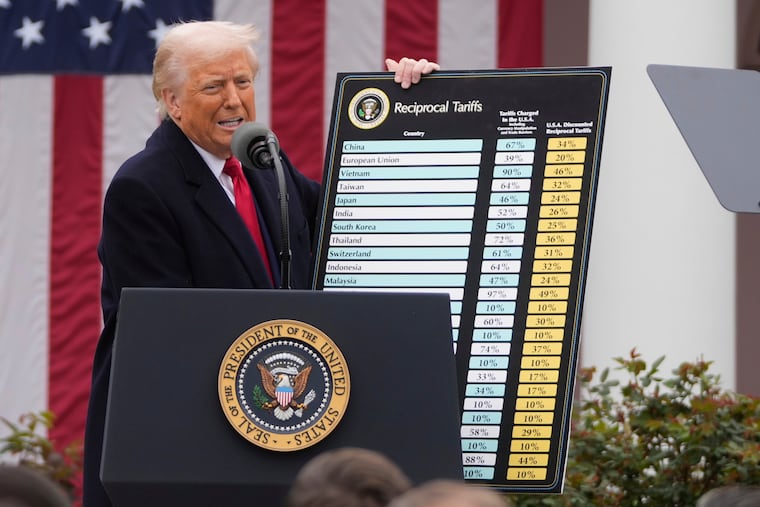
The tariffs in question, referred to as the “Liberation Day” tariffs, were part of Trump’s efforts to motivate U.S. manufacturers to repatriate jobs while simultaneously attempting to negotiate better trade terms with other nations. Trump had argued that these tariffs were essential for reducing the national budget deficit, a claim he reiterated frequently throughout his presidency.
However, the court’s decision stemmed from a series of lawsuits asserting that Trump’s proposed tariffs exceeded his authority and created an arbitrary trade policy hinged on the President’s discretion. In defending the administration’s stance, White House spokesperson Kush Desai termed trade deficits a national emergency, asserting that they have severely impacted American communities, leaving workers vulnerable and compromising national security.
While the court’s ruling effectively nullifies Trump’s broader tariffs without congressional approval, it does not eliminate the possibility of imposing a temporary 15% tariff on countries with significant trade deficits. This authority is granted under Section 122 of the Trade Act of 1974, although the avenue for implementing such tariffs without fresh legislative backing remains uncertain.
The implications of this ruling are extensive, essentially challenging the foundational legal justification for some of Trump’s most controversial economic policies. The administration has filed an appeal and is expected to seek resolution from the Supreme Court, which may ultimately determine the extent of presidential powers regarding economic measures.
Critically, this decision does not affect tariffs imposed under Section 232 of the Trade Expansion Act of 1962, which were justified on national security grounds, notably the levies on imported steel and aluminum. However, Trump’s overarching strategy has been to use these tariffs to address what he perceives as a dire economic crisis stemming from long-standing trade deficits.
This ruling underscores a larger debate regarding presidential authority and trade policy, especially in light of Trump’s efforts to adjust tariffs on multiple fronts, which have included nearly all trading partners. The ongoing legal battles, including multiple lawsuits led by states and small businesses impacted by the tariffs, suggest a contentious landscape in U.S. trade policy.
Responses from various stakeholders reflect the ruling’s significance. Oregon Attorney General Dan Rayfield argued that it supports the rule of law over arbitrary executive action, while some Democrats, including Senator Ron Wyden, expressed concern over the economic repercussions of the existing tariff regime, linking it to increased consumer prices and supply chain disruptions.
The extent of the tariffs’ impact on the U.S. economy remains to be seen, as economists continue to analyze the repercussions of Trump’s trade policies and their potential long-term effects on American businesses and consumers. The continued litigation surrounding these tariffs will likely dominate discussions about U.S. trade policy in the coming months.