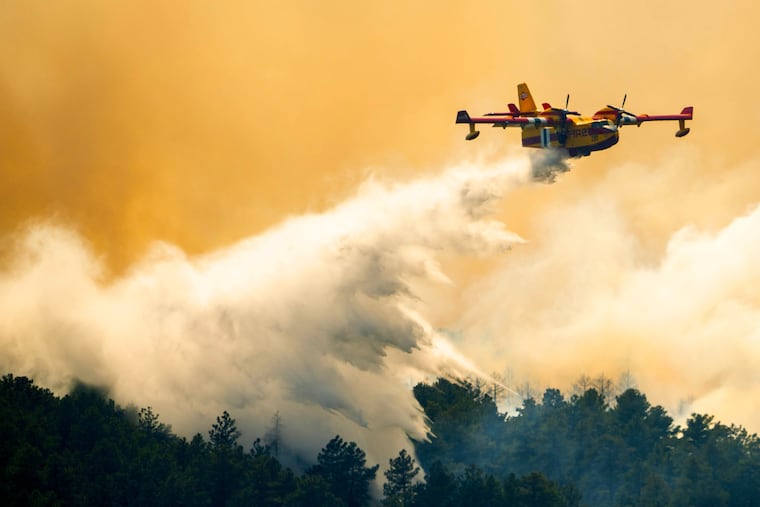
Federal firefighters report increasing strain as wildfires intensify in the western U.S.
As wildfires continue to ravage large areas of the American West, federal firefighters are confronting an increasingly challenging landscape marked by resource shortages and heightened operational pressures. These challenges, exacerbated by staffing cuts during the previous administration, have left many fire response teams feeling overextended and underprepared.
The current fire season has ignited with alarming intensity due to several factors, including a warm and dry winter, a persistent drought, and mountains devoid of snow. Thick undergrowth, which has had ample time to dry out, serves as additional tinder for extremely volatile conditions. As of late, approximately 50 significant fires rage across the United States, with states like Utah and Colorado bearing the brunt of particularly destructive blazes.
Reports indicate that the burdens placed on federal firefighting crews had been escalating long before this season, with many personnel expressing feelings of fatigue and strain as they strive to manage increasingly erratic fire behavior. Interviews conducted with numerous wildland firefighters reveal that the fundamental issues within federal firefighting infrastructure have persisted, leading to a continuous cycle of operational deficiencies. Individuals cited reduced crew sizes, diminished levels of seasoned leadership, and prolonged exposure to hazardous conditions as critical factors impairing firefighting efforts.
The crisis reached a peak following significant staffing reductions implemented last year, resulting in many fire personnel losing colleagues and experienced leadership. The U.S. Forest Service, the nation’s primary firefighting agency managing over 193 million acres, reported a decline in federal fire employees from 18,700 in 2024 to just over 17,000 this year, indicating a stark reduction in capacity amid escalating demand.
Amidst these operational strains, the federal government has emphasized its commitment to reinforcing fire response capabilities. In early announcements, officials outlined the formation of a new unified U.S. Wildland Fire Service aimed at returning to a strategy that prioritizes rapid suppression of fires. However, many firefighters remain skeptical. They argue that such directives, especially during peak fire season, introduce additional risks and strains to their already taxing responsibilities.
Despite assertions from the U.S. Forest Service regarding staffing improvements and operational readiness, many firefighters continue to express frustration about the staffing levels, particularly concerning trained personnel who can navigate complex fire dynamics. The ongoing proliferation of wildfires has stretched federal resources thin, as indicated by the recent surge in requests for firefighting personnel. This depleted supply raises alarm regarding the capability of the federal government to effectively manage simultaneous incidents across multiple states.
As summertime conditions continue to develop, fueled by climate change and evolving ecological dynamics, the outlook for federal firefighting resources appears precarious. Many experts caution that without strategic investments in staffing and training, the nation’s ability to combat wildfires may be critically compromised—a trend that may pose dire implications for both public safety and natural resources.