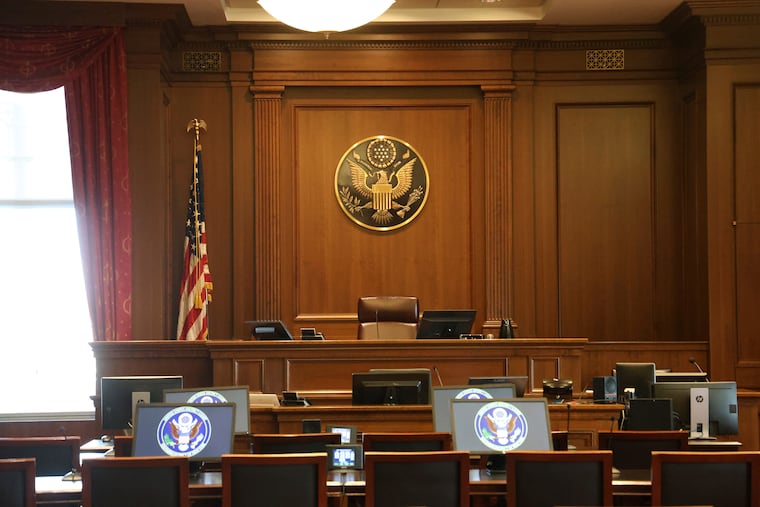
Federal judges frequently evade accountability, prompting calls for reforms to ensure they are held to the same legal standards as others.
As concerns over workplace misconduct continue to grow, the federal judiciary is facing criticism for its lack of accountability and protections for court employees. Law clerks and other staff members who provide essential support to the judicial system often find themselves vulnerable to various forms of mistreatment, as they currently operate without the fundamental protections afforded to most other workers in the United States. This alarming trend raises questions about the fairness and integrity of the judicial system itself.
Federal judges, who are expected to uphold the law, are not subject to the same anti-discrimination regulations that govern the private sector or other branches of government. This has created an environment where abusive behavior can persist, unchecked. Reports have emerged detailing instances where judges refer to their clerks in derogatory terms, diminish their roles, or terminate their employment without justification. Such behavior creates a toxic workplace culture that not only affects individual employees but also undermines public confidence in the judiciary.
The problem is compounded by the fact that judges enjoy life tenure, which makes it difficult to remove them from their positions even when they exhibit signs of incapacity. This lack of accountability should concern those who rely on the judicial system for justice and fairness.
Several legislators have attempted to address this issue through proposed legislation. The TRUST Act aims to prevent judges from evading responsibility for misconduct, while the Judiciary Accountability Act seeks to extend federal anti-discrimination protections to judicial employees. However, both initiatives face significant hurdles in a political landscape that often prioritizes judicial independence over employee welfare.
The importance of a transparent and accountable judiciary cannot be overstated. Public trust is eroded when judges are not held to the same ethical standards as other public officials. Furthermore, when judges adjudicating discrimination cases are not beholden to the same laws, it raises serious concerns about their objectivity and integrity in handling such matters.
Despite the ongoing challenges, it is imperative that Congress utilizes its oversight authority effectively and maintains pressure on the judiciary to implement necessary reforms. Continued advocacy and legislative effort are essential in ensuring workplace justice for those who serve within the judicial system, as well as restoring faith in an institution that plays a pivotal role in upholding the rule of law.
Media News Source