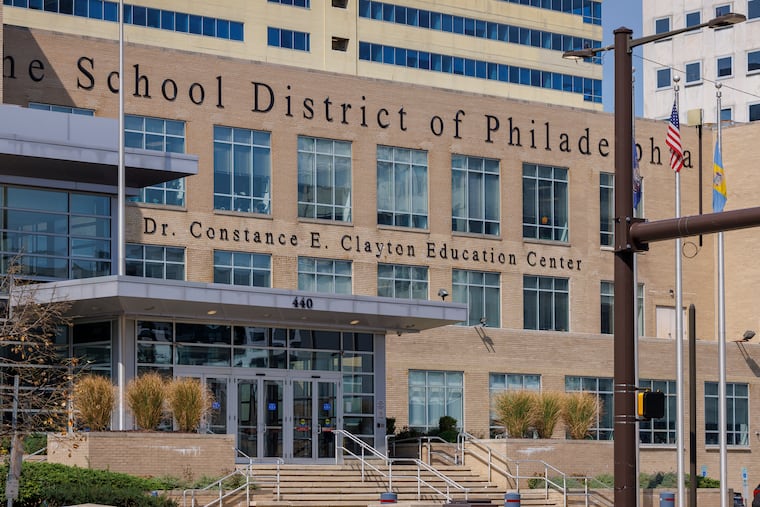
Federal judges rule that the Philadelphia School District’s admissions policy may be unconstitutional and discriminatory.
A recent ruling by a federal appeals court has rekindled a significant legal challenge to the Philadelphia School District’s controversial special-admissions process. On Monday, the U.S. Court of Appeals for the Third Circuit indicated that the district’s admissions policy may be “blatantly unconstitutional” and could be seen as racially discriminatory. This decision allows a lawsuit filed by three parents of students within the district to move forward, reversing a previous dismissal by a lower court.
The litigation originated from concerns over the district’s centralized admissions policy for magnet schools, which was revised in 2021. The previous system had granted individual principals the discretion to decide admissions for 37 special-admissions schools. Under the new framework, which employs a computer-based lottery system, the policy mandates that students who meet specific academic criteria gain automatic entry, particularly if they reside in designated underrepresented zip codes.
In the wake of these changes, the demographic composition of several of Philadelphia’s premier magnet schools has drawn scrutiny. Critics have highlighted disparities, particularly in schools like Masterman, where there are significantly higher populations of white and Asian students compared to the district’s general demographics. The district has defended its changes, arguing that they were positioned as an effort to promote equity, particularly in access to high-quality education.
However, the appeals court underscored that the district’s motives might warrant further examination. The judges pointed out that the public statements made by school officials, both before and after the adoption of the admissions policy, could imply an intent to alter the racial makeup of schools. The panel suggested that a reasonable jury could find evidence to support these implications of discrimination.
While the ruling does not immediately change the existing admissions process, it carries potential implications for future trials. The parents who initiated the lawsuit seek to end what they claim is a racially discriminatory admissions policy and have called for reparations for those allegedly affected by the lottery system, which they describe as manipulated.
As the case returns to a lower federal court, it is anticipated that the legal complexities surrounding the Philadelphia School District’s admissions policy will continue to be dissected. The matter may soon proceed to trial, raising further questions about the future of school admissions within the district and the broader implications for educational equity in urban settings across the United States.
As the legal landscape evolves, stakeholders in the Philadelphia education system and beyond will be closely monitoring the developments stemming from this important ruling, which highlights ongoing debates about race, equity, and access to quality education in American schools.