Federal officials reduce enforcement personnel and suspend regulations aimed at preventing black lung disease in coal miners.
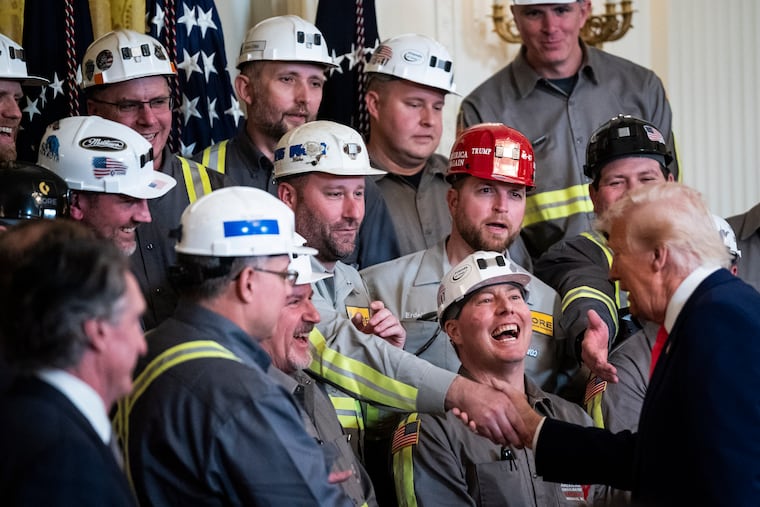
In April 2025, during an event in the White House East Room, President Donald Trump surrounded himself with coal miners, donning hard hats, expressing his intent to revitalize the coal industry through the signing of executive orders aimed at increasing coal production. He humorously suggested a lighthearted arm-wrestling competition and heralded his commitment to revitalizing an industry he claimed had been neglected, stating the government would strive to “put the miners back to work.”
Amid this celebration of coal, the Trump administration announced a temporary suspension of a vital regulation designed to protect coal miners from black lung disease, an aggressive respiratory condition caused by prolonged exposure to coal dust. This enforcement halt, which is expected to last until at least mid-August, follows a decision by a federal court to pause enforcement while considering an industry challenge. Concerns have arisen that the federal agency responsible for enforcing mine safety regulations may struggle to meet its obligations due to recent workforce cuts and office closures.
Over the years, black lung disease, once on the decline thanks to regulatory efforts initiated over fifty years ago, has seen a troubling resurgence. The Centers for Disease Control and Prevention noted that by 2018, approximately one in five coal miners in central Appalachia exhibited signs of this disease, with cases being diagnosed at increasingly younger ages. Particularly alarming is the rise of progressive massive fibrosis, a debilitating form of black lung, which has surged tenfold among long-term miners in recent years.
The culprit behind this resurgence is primarily silica dust, which miners are increasingly exposed to as operations shift towards deeper coal deposits requiring the disruption of sandstone. The dust created during this process poses severe health risks, potentially leading to chronic respiratory illnesses.
A crucial regulation aimed to halve the permissible level of silica dust in mining operations and enforce stricter compliance measures. The new standards, hailed by advocates for miners as a significant victory, were expected to come into effect in April. However, the enforcement delay has raised fresh concerns regarding mine safety, particularly given the recent cuts within the Mine Safety and Health Administration (MSHA) and the National Institute for Occupational Safety and Health (NIOSH).
Compounding these issues, MSHA is preparing to close several field offices, disrupting the enforcement of safety laws, while simultaneous layoffs at NIOSH have halted operational health surveillance programs, leaving miners without necessary health screenings.
The recent litigation surrounding the silica regulations and the administrative restructuring at NIOSH bring to light pressing concerns about miner safety and health in the coal industry, historically vulnerable to administrative neglect and regulatory rollbacks. Advocates emphasize that effective enforcement is essential for safeguarding the health of miners, who regardless of their commitment to the industry, bear the brunt of inadequate protections against workplace hazards.
In Pennsylvania, a leading coal-producing state, the implications of these safety regulations and the restructuring of mining enforcement agencies are profound. As industry advocates strive for stronger protections against occupational hazards, the efficacy of current regulatory regimes is increasingly called into question.
As the coal industry faces ongoing challenges, the balance between economic revitalization and the safety of workers remains a critical issue that will require careful consideration and commitment from policymakers. Miners, their families, and advocacy groups are left watching closely, hoping for action that prioritizes their health and safety amidst an evolving legislature.
In light of all developments, the question remains: Can the federal government enforce the necessary regulations to protect those who labor in one of the country’s most hazardous jobs, or will further delays result in irreversible harm?