Federal Reserve’s Historical Independence from the White House Explained
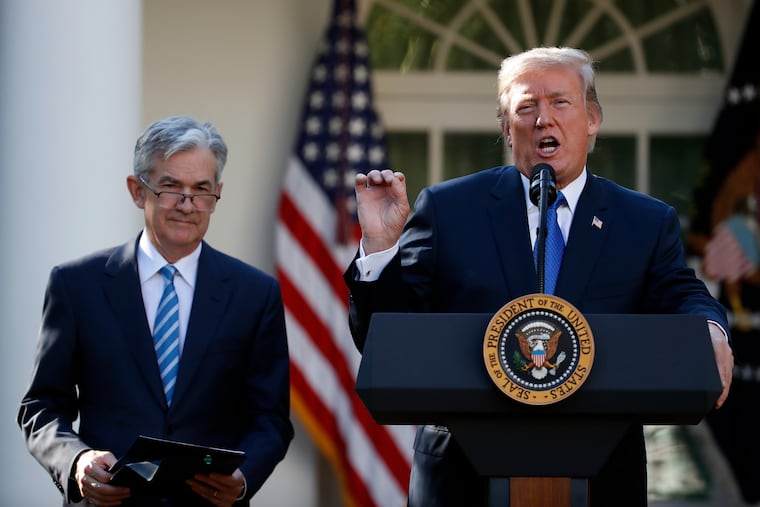
The ongoing tensions between U.S. President Donald Trump and Federal Reserve Chair Jerome Powell have escalated dramatically following a threat from the Justice Department directed at the Federal Reserve. In recent statements, Powell indicated that the department is considering criminal indictment over allegations connected to the Fed’s ongoing building renovation project. This situation marks a significant intensification of Trump’s attempts to assert greater influence over the independent institution.
Throughout Trump’s presidency, he has been vocal in his criticism of Powell’s handling of interest rates, urging the Federal Reserve to implement cuts to short-term rates in an effort to stimulate economic activity. Such unrest stems from Trump’s belief that lower interest rates would not only invigorate the economy but also ease the burden of federal debt. Despite the Fed’s eventual decision to lower interest rates in three of the last four months of 2025, tensions remain high.
In a striking response to the scrutiny and accusations from Trump, Powell characterized the potential for criminal charges as mere pretexts aimed at undermining the Federal Reserve’s independence regarding interest rate policy. This assertion ties into a broader narrative about the importance of an independent central bank in establishing economic policy free from political pressures.
Furthermore, Trump is reportedly seeking to dismiss Federal Reserve Governor Lisa Cook based on unproven allegations of mortgage fraud. This attempt to reshape the Federal Reserve is underscored by concerns over Powell’s upcoming term expiration in May, which could provide Trump with the opportunity to appoint a new chair. However, a shift in leadership alone may not guarantee the policy changes that Trump envisions, as a committee of 12 members holds voting power on interest rate decisions.
The Federal Reserve’s independence is crucial for maintaining a stable economic environment, particularly regarding inflation control. Economists have long advocated for this independence, underscoring that a central bank free from political influence can make difficult but necessary decisions to combat inflation. Historical precedents, such as the Fed’s response to the inflation surge in the 1970s under Arthur Burns, illustrate the detrimental effects of political interference.
Investor confidence is intricately tied to the perceived independence of the Federal Reserve. Any aggressive moves by Trump, such as attempts to replace Powell, could trigger market instability, affect bond yields, and influence borrowing costs. The implications of these evolving power dynamics extend beyond Wall Street, potentially impacting mortgage rates and consumer loans across the country.
In conclusion, the interplay between the White House and the Federal Reserve presents a complex and ongoing narrative about economic policy, governance, and institutional independence. The current situation reflects not only the high stakes involved but also the critical nature of maintaining the Fed’s impartiality in the face of political influence. The coming months will be pivotal in determining the future trajectory of U.S. monetary policy as both the administration and the Federal Reserve navigate these turbulent waters.
Source: Media News Source