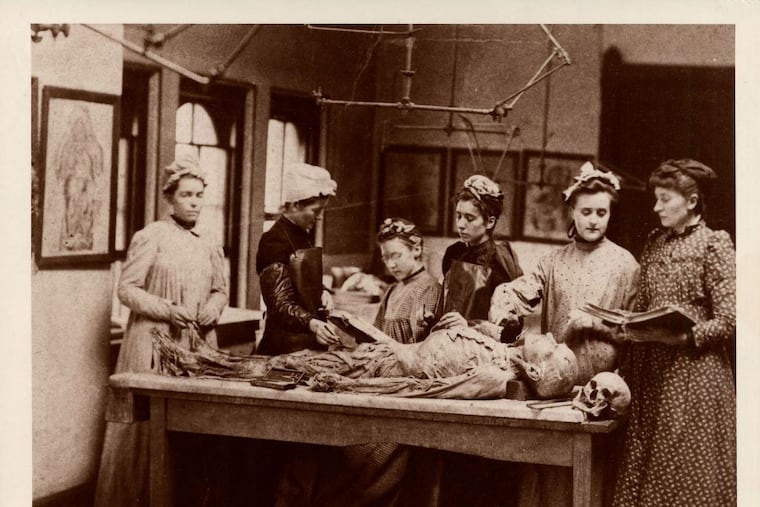
First female physicians trained in Philadelphia celebrated while ongoing gender challenges in medicine are acknowledged.
As we observe International Women’s Day on March 8, it is imperative to reflect on the significant contributions of women in the field of medicine, particularly from the Woman’s Medical College of Pennsylvania (WMCP). Established in 1850, WMCP holds the distinction of being the first degree-granting medical school in the world explicitly designed to educate female physicians. At a time when most educational institutions dismissed female candidates, WMCP not only welcomed them but actively promoted their roles within the medical profession.
The college, which later merged with Drexel University College of Medicine, has a legacy of empowering women who have reshaped medical education, clinical practice, and public health initiatives both nationally and globally. Among its noteworthy alumni is Ann Preston, who graduated in 1851 as part of WMCP’s inaugural class and later became the dean. Preston’s advocacy was crucial in securing clinical training opportunities for female medical students in Philadelphia hospitals, where they were frequently denied access to essential bedside instruction due to prevailing gender biases.
The influence of WMCP extended internationally, drawing students from diverse backgrounds. One such pioneer, Anandibai Joshee, graduated in 1886 and became one of the first Indian women to earn a medical degree in the Western world, inspiring countless women in India to pursue similar paths in medicine. Another notable alumna, Susan La Flesche Picotte, received her degree in 1889, becoming the first Native American female physician in the United States. Her dedication to serving her community led her to establish a hospital for Native patients, highlighting her commitment to healthcare accessibility during a time of significant inequity.
While today women’s representation in medical education has reached notable milestones—approximately 50% of U.S. medical school matriculants are women—true gender equity within the medical field remains elusive. Despite progress, women continue to be underrepresented in leadership roles, such as department chair positions and executive roles in hospitals. The existing gender pay gap underscores ongoing disparities, as studies demonstrate that challenges persist in various aspects, including opportunities for research funding, leadership advancement, and professional recognition.
The legacy of WMCP serves as a profound reminder of the importance of equitable access and representation in the medical field. It illustrates that excellence in medicine transcends gender, grounded instead in training, commitment, and service to the community. As the current successor to this legacy, Drexel University College of Medicine is tasked with not only honoring this history but also ensuring continued progress towards equity and inclusive leadership in healthcare.
To achieve genuine equity in medicine, ongoing efforts and vigilance are crucial. The barriers women face have evolved, transitioning from formal admissions policies to deeper structural inequities. The responsibility of fostering an equitable environment lies not only in acknowledging past achievements but also in actively shaping a future where all individuals, regardless of gender, can thrive in the medical profession.
Through this lens, we must recognize that legacy is not a passive inheritance, but a dynamic stewardship that demands constant attention and action.
(Original source: Media News Source)