Food packaging is revealing unexpected sources of microplastics in our diets.
The pervasive presence of microplastics in the environment has become a subject of increasing concern among scientists and the general public alike. Recent studies have shown that these small plastic particles are not only ubiquitous in our surroundings but have also been detected in biological tissues, including the human brain, and even in the air we breathe. While the widespread awareness surrounding microplastics is evident, the specific sources of these particles remain largely unclear. Understanding these origins is crucial for public health initiatives aimed at minimizing human exposure to microplastics.
Recent research indicates that microplastics can be derived from a variety of sources, including both reusable plastic containers and food packaging. Surprisingly, findings have also revealed that glass bottles, particularly those with painted metal caps, contribute significantly to microplastic contamination in liquids. A study conducted by French researchers analyzed a diverse selection of beverages—ranging from water and tea to sodas, beer, and wine—and uncovered a startling revelation: the highest concentrations of microplastics were found in beverages contained in glass bottles, with around 100 particles per liter, surpassing levels found in plastic bottlings.
This discovery was initially unexpected, as glass is typically viewed as an inert material. Investigators later identified that the metal caps on these glass bottles were coated in polyester paint, which corresponds to the microplastic found in the beverages tested. Notably, rinsing these caps prior to bottling substantially reduced the quantity of microplastics, indicating a potential strategy for mitigating exposure.
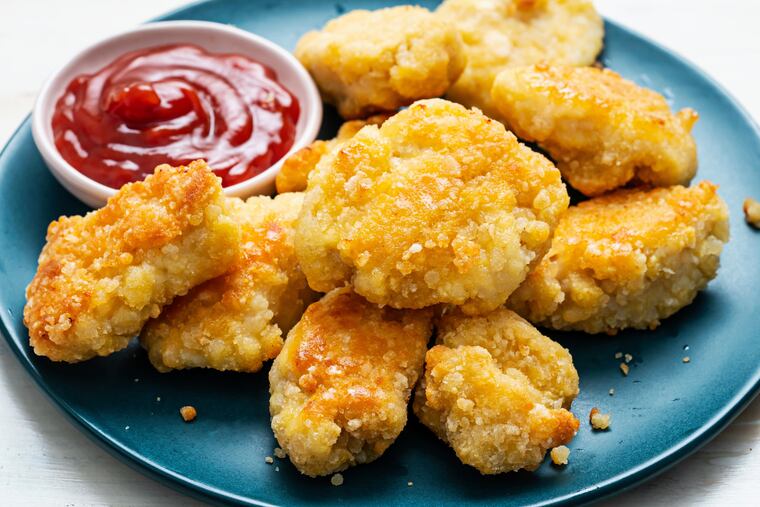
Further emphasizing the complexities surrounding microplastic contamination, another study released last year revealed that the method of food processing could play a more significant role than packaging material. An investigation into various protein sources indicated that highly processed foods contained markedly higher levels of microplastic particles compared to less processed options. For instance, chicken nuggets had an average of 62 microplastic particles per serving, compared to only two in a chicken breast.
The process of food preparation and packaging was found to be a pivotal factor in microplastic contamination. Products traverse a labyrinth of machinery—often constructed from plastic—before reaching consumers, thus amplifying the risk of microplastic infiltration during production.
While research from the Food Packaging Forum underscores the role of specific plastic containers as a source of microplastics, experts advise caution regarding the use of certain plastics, especially in heating applications. For instance, melamine-based dishes and reusable plastic cups demonstrated increased microplastic shedding when exposed to heat or washing.
Despite ongoing research, the regulatory stance on microplastics remains cautious. Advocates of plastic material still assert that no definitive health risks have been directly linked to microplastic exposure. However, researchers continue to emphasize the need for further investigation into the long-term effects of microplastics and encourage consumers to avoid storing food in plastic containers whenever possible.
As the quest for deeper understanding continues, the public remains urged to take proactive measures to limit microplastic exposure. The acknowledgment that plastic is a pervasive element in modern life amplifies the urgency for effective strategies to safeguard public health and the environment. Media News Source.