Forman Arts Initiative plans to transform North American Street into a more rugged alternative to the Parkway.
Philadelphia’s North American Street, long a focal point for discussions on the rebirth of manufacturing, is now transforming into a burgeoning arts corridor, as evidenced by a series of developments that are reshaping Kensington’s cultural landscape. Historically a commercial artery, the street saw an infusion of artistic life beginning around 2004 when local arts organizations began to repurpose its surviving industrial buildings. This marked a notable shift for a neighborhood that had been witnessing a steady exodus of artists from Old City due to increasing rental prices and community indifference.
The establishment of Crane Arts in a refurbished plumbing warehouse set the stage for this artistic renaissance. By 2022, with the debut of the Clay Studio’s architecturally designed makerspace and gallery across the street, the flow of creative professionals accelerated dramatically. Recent arrivals, like Moderne Gallery, which specializes in handcrafted art furniture, further solidified the area’s art-driven identity by relocating to the Luxe apartments.
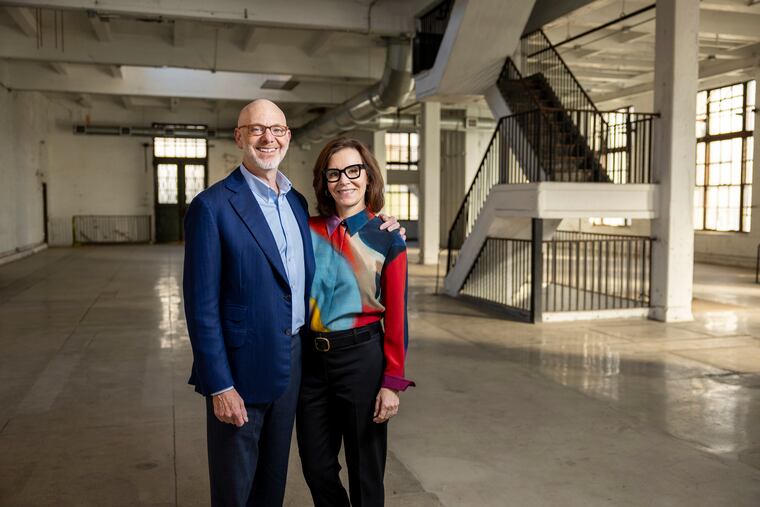
The most ambitious project to date is the Forman Arts Initiative (FAI), spearheaded by notable Philadelphia art collectors Michael Forman and Jennifer Rice. FAI is set to transform a full city block of industrial buildings between Susquehanna and Dauphin into a sprawling 100,000-square-foot arts campus. This initiative aims to blend gallery space with community-focused programs, including a café, an arts library, and event spaces for performances and workshops.
Although the details of the campus remain fluid, FAI promises to champion the works of Black, brown, and female artists, showcasing pieces from Forman and Rice’s extensive collection while also fostering a community-centric atmosphere. Their goal is not only to attract more visitors but also to engage deeply with the existing neighborhood, which has a rich Puerto Rican heritage.
Despite efforts to revitalize the area, challenges persist. American Street, the neighborhood’s main thoroughfare, remains a wide, unfriendly corridor, impeding pedestrian access. Local leaders acknowledge the potential for gentrification, driven in part by developments like the Luxe apartments and other residential projects. Concern over rising rents weighs heavily on the established community, particularly as the demographics in nearby Norris Square shift.
Nonetheless, Forman and Rice’s commitment to community engagement is reflected in their efforts to incorporate local cultural elements into their project. They have engaged architect Theaster Gates, known for using art and architecture as tools for community development.
As FAI’s first phase is slated for completion in the winter of 2026, its influence on North American Street is anticipated to be profound. While the transformation offers the promise of increased cultural vibrancy, the community is keenly aware that the manner in which this change unfolds will have lasting implications for Kensington’s residents and their rich cultural legacy. The evolving landscape of North American Street serves as a poignant reminder of the complexities surrounding urban renewal and the importance of inclusive community development.
In summary, the Forman Arts Initiative represents a potential turning point for North American Street, transforming it into a hub for artistic expression and community engagement while navigating the delicate balance between development and cultural preservation.