Former Rothman CEO Mike West planned his suicide to spare his family the burden of his Alzheimer’s disease.
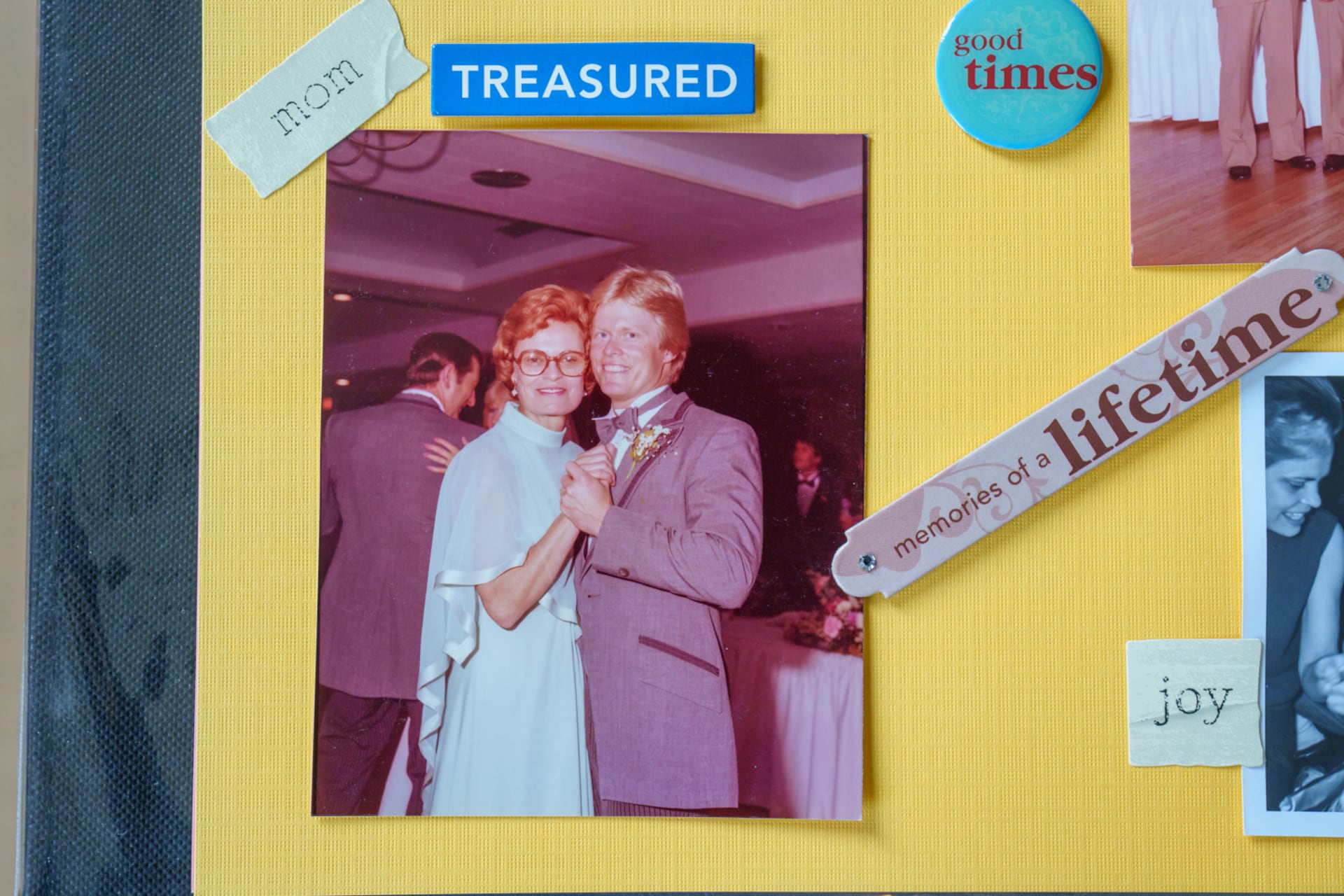
In a poignant reflection on the impact of Alzheimer’s disease, Michael West, a former CEO of Rothman Orthopaedics and a well-respected figure in Philadelphia’s healthcare landscape, faces a reality that resonates with many American families. At the age of 64, West discovered that the cognitive abilities he once relied upon were diminishing. His decline was stark; tasks that he once performed effortlessly—like complicated calculations—became insurmountable challenges. West’s experience is further complicated by a family history of early-onset Alzheimer’s; his mother succumbed to the disease by her 63rd birthday, a tragic fate that casts a long shadow over West’s own diagnosis.
Alzheimer’s disease currently affects over 7 million individuals in the United States, with more than 200,000 diagnosed before the age of 65. Early-onset cases are particularly concerning, as they often progress more rapidly, leading to a shorter lifespan for patients. Unfortunately, while advancements in medications have been made, there remains no cure for the disease, leaving affected individuals and their families grappling with the harsh realities of the condition.
West recognized that his diagnosis affected not just him but also his family. The mental and emotional toll of watching a loved one lose their identity can be devastating. As he navigated this new reality, West struggled with personal losses and the burden of ensuring that his family would be spared from the same fate he witnessed with his mother.
As West’s symptoms progressed, he experienced significant changes in behavior and cognition, leading to moments of denial and resistance to seeking medical help. Initial tests at Penn Medicine prompted a series of evaluations that ultimately confirmed his condition: early-onset Alzheimer’s, linked to a specific genetic profile that increases the risk of the disease.
In July 2024, amidst growing anxiety and struggles with daily functions, West made a harrowing decision. He took his own life, leaving behind not only grief but also a legacy of questions regarding the impact of Alzheimer’s on dignity and quality of life. His family, while coming to terms with this profound loss, now confronts the complexities of his decision and the societal implications of existing conversations around end-of-life choices.
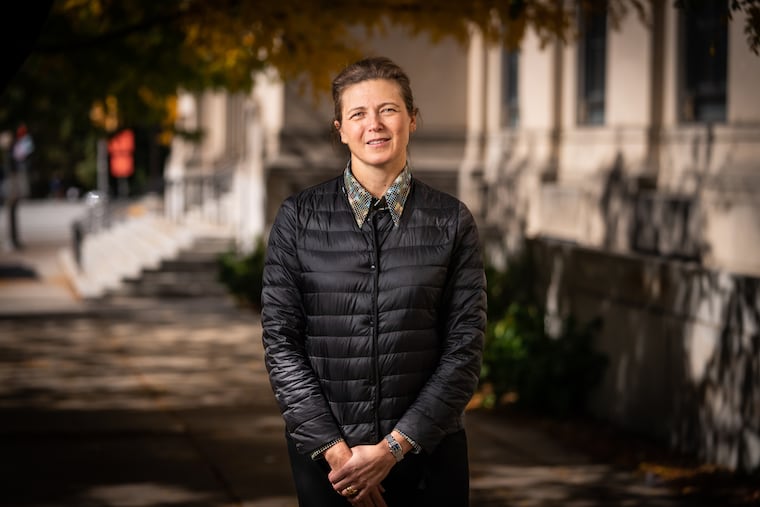
Lynn West, his wife, is left to navigate the aftermath, expressing a desire for open discussions about Alzheimer’s care. She advocates for the importance of communication in families facing such diagnoses, emphasizing the need for planning and understanding options before crises emerge.
In reflecting on Michael West’s journey, this narrative serves not only as a personal testament to the struggles faced by individuals coping with Alzheimer’s disease but as a broader call to action for families, healthcare providers, and society at large to engage in meaningful discussions about aging, illness, and the sometimes painful intersections of health and autonomy.