Four years after the Russian invasion, Ukrainians in Philadelphia express gratitude for community support while remaining concerned about the future.
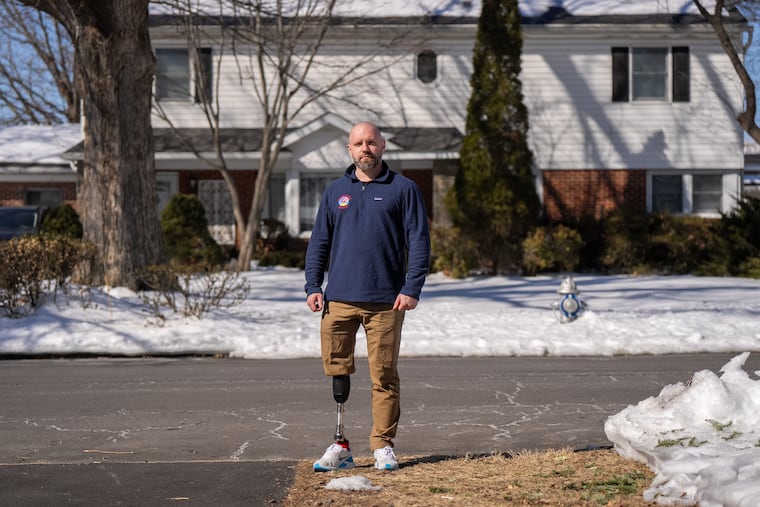
In a poignant recounting of resilience and hope amid the ongoing crisis in Ukraine, veteran Illia Haiduk’s journey highlights the devastating impact of war on individuals and communities. Haiduk, a former soldier, links his current life in Huntingdon Valley, Montgomery County, Pennsylvania, to the harrowing experiences he endured on November 3, 2023, during an awards ceremony in Zaporizhzhia. Approximately 70 soldiers congregated outdoors when their gathering was targeted by an Iskander-M ballistic missile launched by Russian forces, as noted by various news reports. The attack resulted in the loss of at least 19 lives and left dozens wounded, propelling Haiduk into a long recovery process.
After waking amidst chaos, Haiduk discovered the extent of his injuries, including severe damage to his lower right leg from shrapnel. Despite his injuries, he exhibited bravery in attempting to reach out to a fellow soldier in dire need, showcasing the camaraderie that binds soldiers in the face of adversity.
Haiduk’s injury was just one chapter in a conflict that has claimed an estimated 2 million lives since Russia’s invasion of Ukraine. The consequences of this war resonate deeply within the region as a growing number of Ukrainian refugees and veterans seek support services. Regional advocates express worry over dwindling resources, noting that public and organizational support for Ukraine has diminished significantly over the years. Roman Vengrenyuk, involved with the nonprofit organization Revived Soldiers Ukraine, remarked on the shrinking aid for veterans and refugees as the prolonged war continues without a resolution in sight. A stark reality has emerged: an estimated 60,000 Ukrainians require amputations due to wartime injuries, overwhelming medical facilities both in Ukraine and abroad.
In this context, Haiduk’s story transcends individual suffering. He has become a beacon of hope and a source of assistance for fellow veterans grappling with similar challenges. As part of his healing process, he participated in the Invictus Winter Games in Canada in 2025, where he secured a bronze medal in the skeleton race. This experience facilitated connections with other veterans facing comparable struggles, fostering an environment of mutual understanding and shared purpose.
Meanwhile, the plight of Ukrainian refugees continues to garner attention. Mary Kalyna, a Ukrainian-American advocate, has been instrumental in aiding individuals who have found temporary refuge in the United States. Current regulations have complicated their status, facing financial burdens that threaten their humanitarian parole. Families such as the Konoshchuks illustrate these challenges as they navigate treatment for health issues while grappling with unexpected bills that jeopardize their legal status in the U.S.
The overarching sentiment among those affected is a yearning for improved conditions and a plea for sustained support. As Haiduk emphasized, while international recognition exists for the Ukrainian cause, it remains insufficient to foster lasting peace and resolution. The call for heightened awareness and advocacy continues to resonate, urging individuals and organizations to take action in support of Ukraine and its people during these tumultuous times.