Frankford Arsenal housed Philadelphia’s narcotics unit, leading to brain cancer cases among officers and resulting in multiple lawsuits.
In a developing story surrounding the Philadelphia Police Department’s narcotics unit, Joseph Cooney, a dedicated officer since 1998, has recently received a harrowing diagnosis of glioblastoma, an aggressive and incurable form of brain cancer. This diagnosis, made in 2024, has prompted Cooney to take legal action against several entities, including the Philadelphia Authority for Industrial Development, Mark Hankin, and his affiliated businesses, claiming their negligence regarding hazardous materials at the former Frankford Arsenal site has directly contributed to his illness.
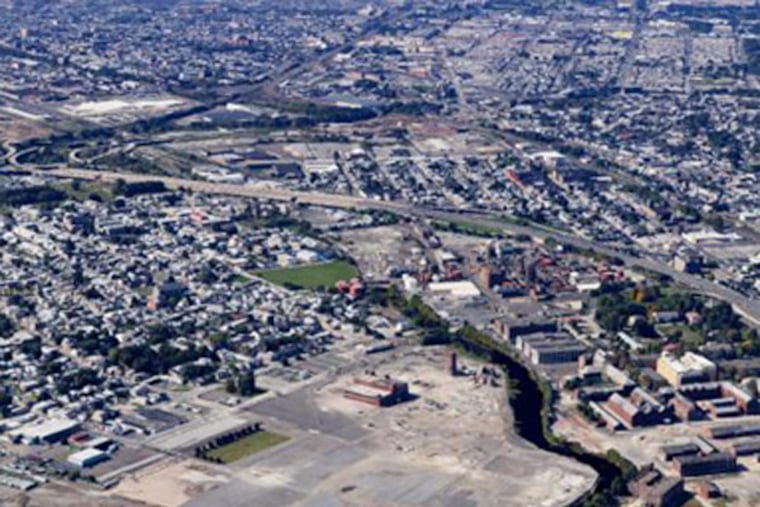
Cooney’s career with the narcotics unit has led him to work out of the Arsenal site, a former munitions manufacturing facility that operated from the Civil War until its closure in 1977. The site was later repurposed into a business park, which included the narcotics unit’s headquarters from the early 1990s until 2015. Cooney claims that during his time at the site, he and his colleagues were exposed to dangerous levels of radioactive and toxic materials that had not been adequately remediated following the factory’s shutdown.
The lawsuit alleges that the defendants were aware of the potential health risks posed by the site but failed to take necessary precautions or provide warnings to employees. Cooney expressed the gravity of his diagnosis, indicating that glioblastoma often comes with a bleak prognosis. His situation is not isolated; it follows a pattern involving his former colleagues who have similarly fallen ill. For instance, two other officers who worked in the narcotics unit, Michael Deal and Andrew Schafer, were also diagnosed with glioblastoma, with Deal passing away in 2019 and Schafer in 2023. Their families have likewise initiated legal actions echoing Cooney’s claims.
Reports dating back to the 1980s have documented the presence of hazardous materials at the Arsenal site, raising alarms well before it transitioned to civilian use. A U.S. Army Corps of Engineers report from 2016 highlighted concerning levels of lead and other cancer-causing substances, indicating a persistent risk to anyone in proximity to the site, particularly in areas previously occupied by the narcotics unit.
As Cooney continues to navigate his ongoing battle with cancer, he remains in active service with a modified role, supporting the city’s SWAT team, albeit with significant reductions in his day-to-day independence. His health concerns extend beyond his diagnosis; he worries deeply about the welfare of his wife and seven children, particularly his daughter, who teaches at a school situated on the former Arsenal grounds.
The broader implications of these health concerns reflect not only on the individuals involved but also on community protocols for safety and remediation of industrial sites, prompting questions about accountability and the ongoing consequences of historical negligence in environmental health.
As developments unfold, stakeholders are urged to consider the impact of previous actions and inactions regarding the safety of public spaces, crafting a narrative that intertwines personal tragedy with institutional responsibility.