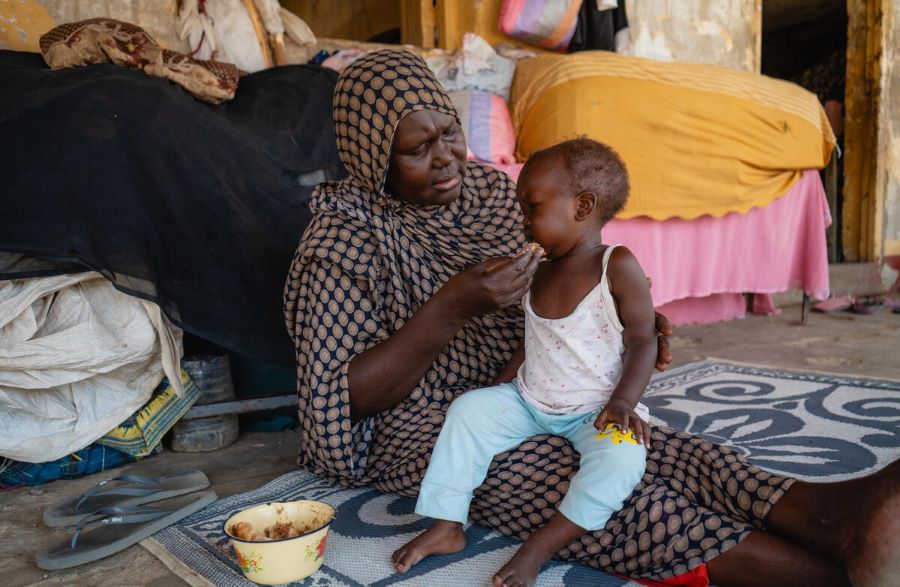
Global Hunger Rates Have Doubled Since 2019, Causing Concern Among Experts and Officials.

As the global community grapples with an alarming rise in food insecurity, the World Food Programme’s recent warning that 318 million individuals are projected to face acute hunger by 2026 highlights an escalating crisis that demands urgent attention. This situation, affecting double the number of people from 2019, is a poignant reminder of the interconnectedness of global challenges, including climate change, socio-economic disparities, and the ongoing impacts of conflict. The conversation surrounding this pressing issue is increasingly relevant and calls for collaborative approaches to generate sustainable solutions that ensure food security for all.
The World Food Programme (WFP) is sounding the alarm as it projects that 318 million people worldwide will confront severe levels of hunger in 2026, a staggering figure that represents double the number from just three years prior. This alarming statistic underlines the growing urgency of a crisis that threatens millions, prompting widespread inquiry into its underlying causes.
Central to this crisis are factors such as climate change, which has exacerbated food production challenges and contributed to significant disruptions in supply chains. Conflict across various regions also plays a critical role, rendering communities vulnerable and displacing populations, further compounding the struggle for access to adequate nutrition. The WFP’s report emphasizes the need for immediate action and cooperation among governments, organizations, and communities to confront these underlying problems that lead to increased hunger.
During a recent discussion, experts from the WFP, as well as representatives from humanitarian organizations like Islamic Relief Worldwide and Oxfam, illuminated the multifaceted nature of food insecurity. Jean-Martin Bauer, Director of Food Security and Nutrition Analysis at the WFP, shed light on the data driving these projections and the implications for humanitarian efforts worldwide. Shahin Ashraf from Islamic Relief Worldwide highlighted the impact on vulnerable populations, advocating for enhanced global solidarity to alleviate this pressing issue.
In the Democratic Republic of the Congo, Oxfam’s country director, Manenji Mangundu, provided insight into local challenges and strategies being employed to mitigate hunger against the backdrop of conflict and instability. The diverse perspectives shared by these organizations underline the critical need for a comprehensive response to food insecurity that not only addresses immediate hunger but also tackles the systemic issues contributing to this growing crisis.
As we look ahead, the collective call to action is clear: a multifaceted approach involving proactive policy-making, increased funding for humanitarian organizations, and sustainable agricultural practices is essential to reverse this troubling trend. The global community must rally together to protect the most vulnerable and ensure that everyone has access to the food necessary for a healthy and fulfilling life.
#WorldNews #CultureNews