
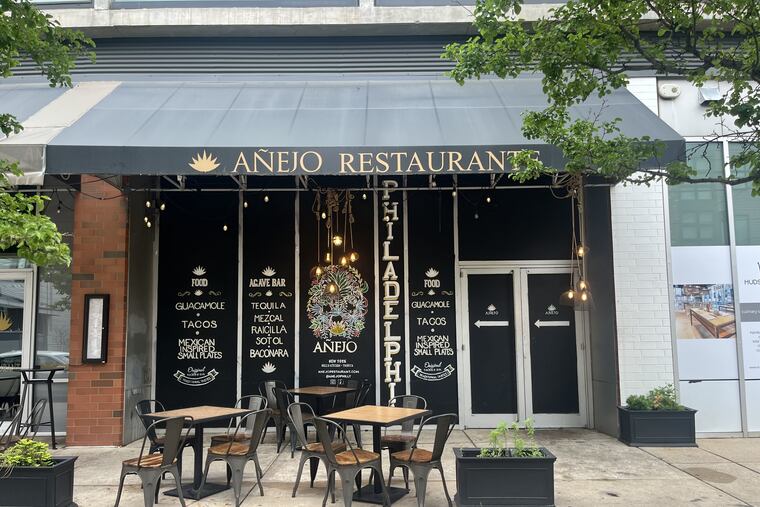
Glu Restaurateur Takes Over Añejo, Popular Mexican Restaurant in Northern Liberties, on Cinco de Mayo
The recent events surrounding Añejo, a prominent Mexican restaurant in Northern Liberties, have drawn significant attention following a dramatic power struggle that unfolded on Cinco de Mayo, traditionally one of the busiest and most lucrative days for establishments celebrating Mexican culture. The restaurant was forced to close for a substantial portion of the day due to actions taken by Tim Lu, a former investor and co-founder of Añejo, who unilaterally changed the locks and brought in his own team to manage the dinner service.
This audacious move is part of an ongoing dispute between Lu and his former partners, as Añejo faces eviction and reportedly owes nearly 0,000 in back rent and additional fees, as outlined in court documents. Benny Ramos, the restaurant’s general manager, described the incident as a takeover, casting Lu’s actions as a dramatic departure from the restaurant’s operational norms.
Tim Lu has previously been associated with Glu Hospitality, a now-defunct restaurant group that oversaw several establishments before closing amid investigations concerning unpaid wages and improper liquor licensing. Lu finds himself embroiled in further controversy, with a lawsuit pending from a former investor claiming he assaulted the investor over a financial dispute.
Despite his earlier history with Añejo, Lu currently holds the lease and is listed as the sole owner of the liquor license, complicating the legal landscape surrounding the restaurant. His involvement began when he assisted in opening Añejo in 2020, but the partnership deteriorated leading up to arbitration concerning accusations of embezzlement against him.
The ramifications of Lu’s actions were immediate and severe. Añejo lost approximately ,000 in potential revenue and had to cancel over 200 dinner reservations. Furthermore, staff were left in limbo, unable to serve customers due to the chaos that ensued from the internal conflict. Employees reported being unable to complete orders as Lu’s crew took over operations in a manner staff claimed was unprofessional and poorly organized.
In an effort to resolve the situation, Añejo management has expressed their intention to engage with the landlord to renegotiate the lease while seeking to rectify the ownership issues related to the liquor license. Meanwhile, the restaurant remains closed as the legal and operational disputes continue to unfold.
The dramatic events at Añejo underscore the complexities of restaurant management and the challenges posed by internal disputes, especially when financial pressures are involved. The restaurant industry in Philadelphia, and beyond, may watch closely as the outcome of this situation could set critical precedents regarding ownership, operational control, and employee rights within similar establishments.


