Government to enforce stricter regulations on pharmaceutical advertising, impacting a billion market, according to sources.
The Trump administration is reportedly considering significant changes to the way pharmaceutical companies are allowed to advertise directly to consumers, potentially leading to a substantial disruption in the industry that has seen over billion in annual advertising spending. According to insights from sources familiar with the discussions, the administration is prioritizing more stringent regulations rather than outright bans, due to potential legal ramifications.
Direct-to-consumer advertising is unique to the United States and New Zealand, and while a complete prohibition could lead to lawsuits, the proposed modifications could introduce new legal and financial barriers for pharmaceutical firms. Key policy considerations include the possibility of mandating more comprehensive disclosures regarding the side effects of drugs in advertisements, which would likely escalate advertising costs due to longer airtime requirements. Additionally, the administration is contemplating the removal of the ability for these companies to deduct the costs of direct advertising as a business expense, further complicating their marketing strategies.
These regulatory changes, still under discussion, could be particularly impactful for advertising and media companies reliant on pharmaceutical advertising revenue. Data from MediaRadar indicates that pharmaceutical firms collectively spent approximately .8 billion on direct-to-consumer ads in 2024, positioning the sector as a dominant player within the advertising landscape. Notably, companies like AbbVie and Pfizer were among the largest spenders, with AbbVie allocating around billion on advertising strategies primarily focused on its anti-inflammatory products.
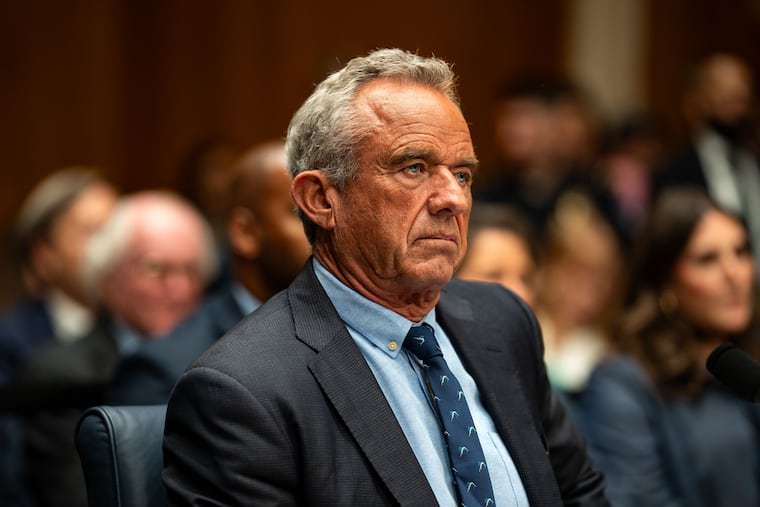
The recent discussions have drawn attention to Health and Human Services Secretary Robert F. Kennedy Jr.’s long-standing advocacy for stricter regulations on pharmaceutical marketing practices. He has previously expressed concerns about the prevalence of drug consumption in the U.S. compared to other nations, attributing this to the advertising latitude granted to U.S. pharmaceutical companies.
While some experts argue that more stringent advertising regulations could compel patients to actively engage in important health dialogues with their healthcare providers, there are also concerns regarding the potential disadvantages. Critics point out that heavy advertising can promote high-cost brand-name drugs over potentially less expensive generic alternatives.
Beyond advertising regulations, the administration is exploring possibilities for tax reforms that could restrict pharmaceutical companies from deducting advertising expenses. Previous efforts to include such measures in legislation have not succeeded, illustrating the complexities of potential policy changes in this area. Industry representatives and advocacy groups warn that targeting pharmaceutical advertising financially could set a precedent for other sectors and undermine First Amendment rights, raising serious questions about the future of marketing practices in the pharmaceutical industry.
The ramifications of these discussions are not only significant for pharmaceutical companies but also for media outlets dependent on advertising revenues, particularly in smaller markets. The shift in advertising dynamics could reshape the healthcare landscape in the United States, potentially affecting market competition, consumer access to information, and public health outcomes.