Grant enables Kensington teens to transform a littered lot into a public garden.
Residents of Upper Kensington are taking proactive steps to combat the blight associated with illegal dumping in their community, particularly at the intersection of Shelbourne and Willard Streets, which has become a notorious dumping ground. The area is characterized by piles of debris, scattered trash, and overgrown weeds, detracting from the neighborhood’s overall aesthetic and quality of life.
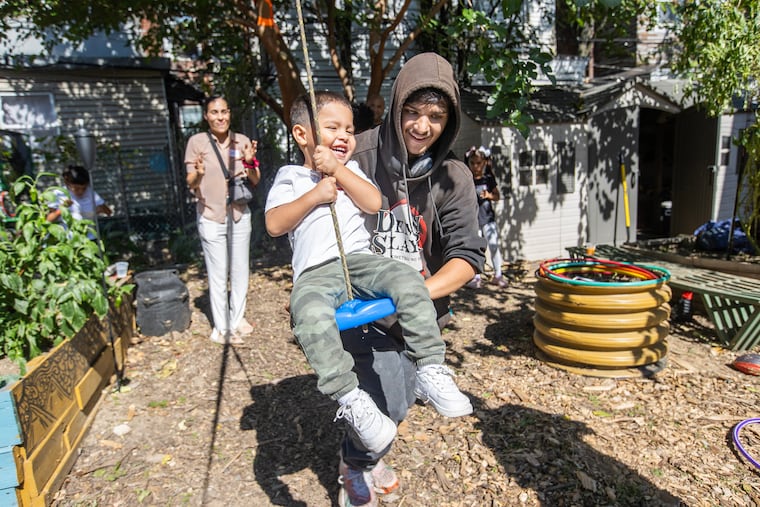
In a positive development, a grant of ,000 from the Revive and Thrive pilot program aims to transform a vacant lot at 859 E. Willard St. into a public park. This initiative is spearheaded by the nonprofit organization Klean Kensington, which employs local teenagers to convert trash-laden parcels into vibrant community gardens. These gardens have yielded fresh produce for neighbors and provided constructive engagement for the youth involved in the projects.
According to an investigation by Media News Source, Upper Kensington has a concerning average of three to four vacant buildings or lots per block, a circumstance that has worsened the area’s struggles with an open-air drug trade. The Klean Kensington organization has been addressing this complication since 2022, focusing on repurposing neglected spaces into productive community assets.
Jeremy Chen, the executive director of Klean Kensington, emphasized the significance of the Willard Street project in fostering community pride and involvement. The aim is to create a space that residents will feel ownership over, thereby enhancing community cohesion. Features planned for the new park include pollinator flowers, benches, colorful art installations, planter boxes, and a robust trash management setup. The project is expected to employ 25 teenagers, alongside two to three local high school students serving as park ambassadors.
Collaborative efforts will involve partners such as Thomas Jefferson University’s Park in a Truck program, Circular Philadelphia, Trash Academy, and Glitter. These organizations will facilitate workshops on dumping prevention, guide the design process, document project outcomes, and help with ongoing maintenance, including weekly cleanups.
The initial cleanup activities are set to commence in early spring, during which community members will participate in shaping the future of the 16-by-60-foot lot owned by Esperanza Health Center. Lois Williams, co-director of Trash Academy, expressed optimism that this initiative could serve as a model for low-budget neighborhood revitalization in the ongoing battle against illegal dumping.
Moreover, the project aligns with city efforts led by Mayor Cherelle L. Parker, who prioritizes maintaining clean neighborhoods and addressing the pervasive drug market. Chen believes that empowering local organizations to manage cleanup efforts will foster a sense of community ownership, ultimately leading to sustained care for the area and a reduction in dumping incidents. The grand opening of the garden is scheduled for the summer of 2026.