
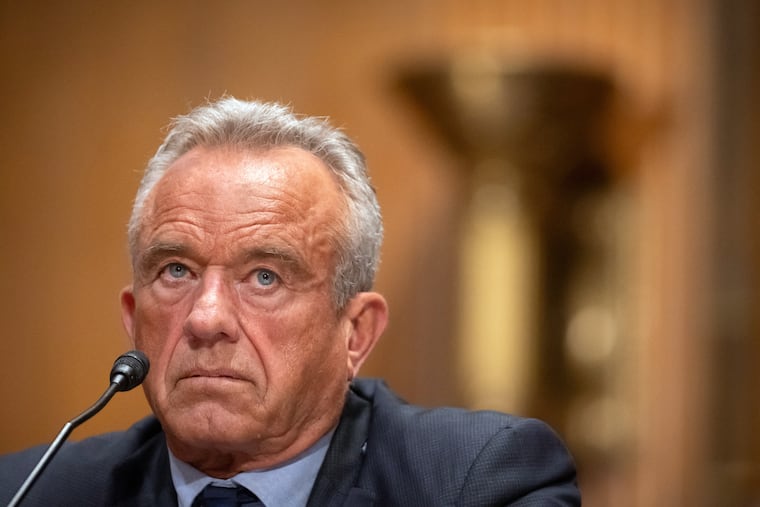
Health experts urge reliance on science over misinformation in vaccine usage for life-saving benefits.
More than two years have elapsed since the conclusion of the public health emergency stemming from the COVID-19 pandemic. Despite this, the United States continues to witness significant fatalities linked to the virus, with approximately 300 deaths reported each week. Recent data indicates that around 27,000 individuals tested positive for the disease in the latest week of reporting, a decline from a peak of 168,000 cases noted in early June.
In a noteworthy development, a newly appointed panel advising Robert F. Kennedy Jr., who leads the U.S. Department of Health and Human Services, has ceased to endorse a universal recommendation for annual COVID-19 vaccinations for all individuals aged six months and older. Instead, the Centers for Disease Control and Prevention (CDC) advisory panel voted to empower individuals to make their own decisions regarding vaccination.
This shift has raised concerns about the CDC’s commitment to safeguarding public health, as it appears to have relinquished its traditional role in advocating for population-wide protective measures. Critics argue that this approach echoes troubling periods during the pandemic when misinformation regarding health guidelines prevailed.
The management of the pandemic under former President Donald Trump attracted significant scrutiny, as critics accused his administration of fostering confusion and promoting unscientific remedies. The resulting impact was severe, leading to avoidable deaths amidst a climate rife with misinformation.
The resurgence of vaccine skepticism, exacerbated by Trump and his allies, has led many to encounter regret for not receiving vaccinations, trusting dubious claims over established medical advice. Reports have emerged detailing how misinformation from conservative media channels has contributed to politicizing public health matters, complicating efforts to maintain vaccination rates.
Kennedy, who has faced considerable criticism for his lack of formal medical training and for promoting unfounded theories linking vaccines to autism, has taken a controversial stance on public health recommendations. His policies reflect an alarming trend that could dismantle established vaccination practices and reintroduce preventable diseases, such as measles and polio, which are poised to resurface due to declining immunization rates.
In response to the evolving landscape of public health challenges, states such as California, Hawaii, Oregon, and Washington have devised their own recommendations regarding vaccinations for COVID-19, influenza, and respiratory syncytial virus (RSV). These actions are backed by professional health organizations that aim to preserve access to lifesaving vaccines amid the growing tide of misinformation.
As experts continue to emphasize the importance of vaccination for individual and community health, it is vital for adults to consult healthcare providers and make informed decisions for themselves and their families. The overall health and wellness of the nation hinge upon adherence to scientifically endorsed health measures during this ongoing battle against infectious diseases.


