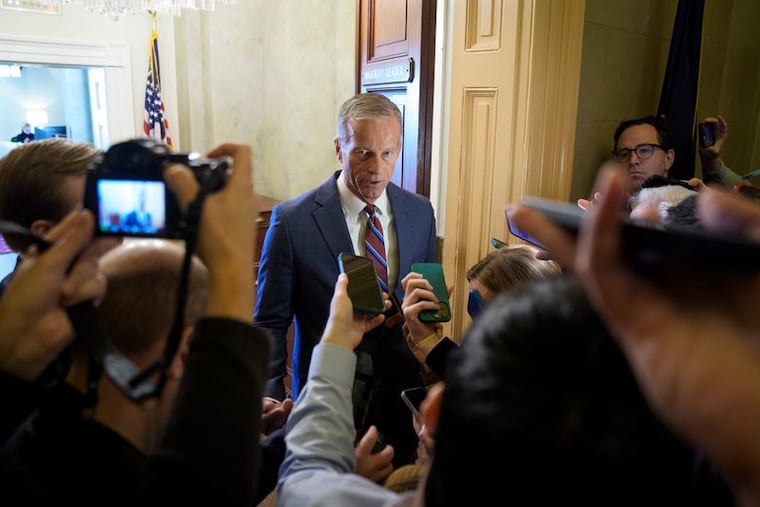
Health is now considered a benefit rather than a priority, raising concerns about public wellbeing and access to healthcare.
In recent months, the complexities surrounding healthcare costs in the United States have gained renewed attention, especially amidst economic uncertainty. Many individuals and families are grappling with the realities of rising healthcare premiums, which can feel disproportionately burdensome compared to other significant expenditures. As of November 1, 2025, average monthly insurance premiums are reported to reach ,800, raising concerns over affordability and accessibility in an already challenging economic environment.
Healthcare stands out as one of the few essential expenses that remain unpredictable and often unmanageable. With the federal government recently experiencing its longest shutdown in history, discussions around the Affordable Care Act’s marketplace medical insurance subsidies have intensified. Policymakers face the pressing question of whether it is the responsibility of the government to ensure that health insurance is affordable for those who pay for it independently.
The landscape of healthcare in America is primarily navigated through employer-sponsored insurance, which covers approximately 60% of individuals under the age of 65. However, many employees find that health insurance is not guaranteed as part of their employment package. The disparity in access varies significantly, especially for low-income earners or those employed by small businesses, who are less likely to receive coverage. This inequity raises concerns about the accessibility and quality of healthcare across different demographics.
The Biden administration’s Cancer Moonshot initiative aims to improve access to healthcare screenings and services. However, as more than one million job cuts have been announced in 2025 alone, including significant layoffs in the healthcare sector, there is a palpable fear of what this means for individuals’ health insurance security. Many workers may be forced to rely on COBRA coverage, allowing them to maintain their group health insurance for a limited time after losing their jobs, albeit at a steep cost.
In Pennsylvania, for example, stringent Medicaid eligibility requirements threaten to strip coverage from over 300,000 residents by next year. Meanwhile, the Affordable Care Act was intended to help those who do not meet Medicaid or Medicare criteria and lack employer-sponsored insurance.
As families reconsider their budgets in light of soaring healthcare costs—similar to purchasing a new vehicle—there is a pressing need for a systemic reassessment of how healthcare is financed and accessed in the U.S. The prevailing perception is that health insurance is often treated like a benefit rather than a fundamental necessity.
Significantly, healthcare expenses can lead to personal bankruptcy, highlighting the inadequacies within the current system and the growing urgency for reform. Policymakers must grapple with defining the core purpose of healthcare in society. As the discourse around healthcare expenses intensifies, it is crucial for citizens to advocate for access to affordable quality care, ensuring that health remains a priority rather than a luxury.
The hope is that the ongoing economic frictions will catalyze positive changes in healthcare policy, bridging the gap between need and access, ultimately safeguarding the health and wellbeing of all citizens. Recognizing that fear and uncertainty often overshadow individual healthcare encounters may motivate a collective movement towards more equitable solutions in the healthcare system.
Media News Source