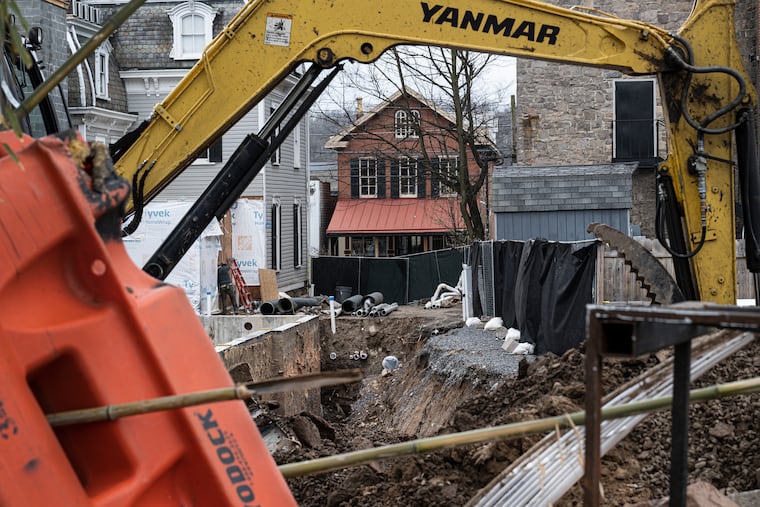
Home Builder Details Factors Behind High Construction Costs in Pennsylvania
In Pennsylvania, one of the critical aspects shaping the state’s real estate market is the significant disparity in pricing between newly constructed homes and existing properties. Data released by LendingTree, an online marketplace for loans, indicates that the average cost of a newly built home in Pennsylvania is more than double that of an existing home, making it one of only two states where such a trend is observed.
This situation can be attributed to varying local development strategies and the rising costs associated with land acquisition and construction. Industry expert Andrew Kaye, who has nearly four decades of experience in the home-building sector, emphasized that the increasing expenses across multiple facets of home construction are creating barriers for potential buyers. Kaye, who heads a residential development firm in the Philadelphia area, elucidated that factors such as land purchasing costs, development expenses, and final sale prices have all contributed to an environment where housing attainability is dwindling.
The real estate dynamics in Pennsylvania reveal that desirable land in prime locations continues to attract buyers, yet at soaring prices. For instance, homes in central New Jersey are reportedly selling at prices approximately 40% higher than four years ago, a trend mirrored in areas of Montgomery and Bucks Counties, where listings have similarly increased by about 30% without significant buyer hesitance. This indicates a robust market, particularly among high-end home seekers insulated from fluctuations in mortgage rates.
However, it is noteworthy that home builders face numerous challenges. Pennsylvania’s regulatory environment complicates development processes, as zoning restrictions and municipal regulations can delay approvals significantly. Kaye highlighted that it can often take over two years to receive necessary approvals for construction, stifling timely development and potentially inflating costs further.
Additionally, fluctuating material costs, impacted by global trade dynamics and tariffs, pose ongoing challenges. The National Association of Home Builders reported a 42% increase in typical material costs since just before the COVID-19 pandemic, compounding the difficulty for builders who must navigate unpredictable supply chains while managing price stability assurances for buyers.
Despite these obstacles, there are glimmers of hope. Recent outreach efforts have resulted in increased communication between local builders and legislators aimed at identifying solutions to the existing challenges in home building. Should legislative actions materialize to address zoning flexibility, regulatory easing, and approval timelines, it could bolster housing production and rehabilitation within the state.
As Pennsylvania’s housing market continues to evolve in the face of these challenges, the future landscape will depend on both market dynamics and regulatory responses to create a more balanced and accessible housing environment for all residents.