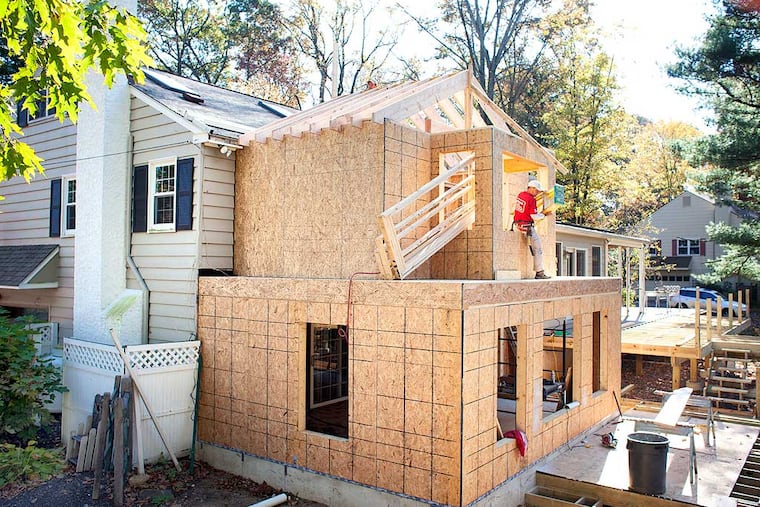
Homeowners are reluctant to move, impacting the size of their backyards.
The decreasing size of American backyards reflects a significant transformation in the residential landscape, influenced largely by the current mortgage rate environment. The era of historically low rates, particularly those dipping below 3% in the early 2020s, has resulted in a reluctance among homeowners to relocate, especially if doing so entails incurring a new mortgage at substantially higher rates. Consequently, many are opting to expand their existing homes by encroaching upon yard space.
In Raleigh, North Carolina, Nicole Goolsby Morrison, a home remodeling contractor, has witnessed firsthand the surge in home additions. Her work now frequently involves extending homes by various lengths, adding new bedrooms and bathrooms where yards once stood. The conversations she has with clients often revolve around the impact of mortgage rates on their decisions to stay in their homes longer than initially planned.
The trend of shrinking yard sizes has been gradually escalating over the years. Increased housing costs and shifting preferences have led to legislative changes allowing for the construction of new homes on smaller lots. Data indicates that the proportion of newly built homes located on lots less than 7,000 square feet has risen from 25% in 2009 to 39% today, even as the overall size of homes has increased.
While some homeowners undertake relatively modest renovations, such as upgrading kitchens or adding bathrooms, others embark on major construction projects that redefine their properties. Angie Hicks, founder of Angi, a platform connecting homeowners with contractors, notes that many individuals now find it more appealing to remain in their homes, particularly those who secured advantageous mortgage rates.
Millennials, typically aged 30 to 45, are propelling this phenomenon. A recent analysis revealed that the proportion of homeowners undertaking extensive renovations to increase their living space has doubled over the past year. Homeowners who purchased properties before 2022 often enjoy significant home equity, which they can leverage for financing remodeling projects. The average cost of these additions hovers around ,000, tailored to individual project scopes.
Data from Harvard’s Joint Center for Housing Studies reflects a notable pent-up demand among homeowners eager to relocate, yet the current housing market—characterized by increasingly high prices, low inventory, and elevated interest rates—has stymied those plans. Instead, homeowners are channeling their resources into major renovation projects. Builders are reporting substantial increases in permits for home construction, indicating a preference for renovation over relocation.
Amid changing lifestyles, many individuals, particularly families, are prioritizing indoor living over expansive yards, further driving the decline in backyard sizes. With outdoor pastimes becoming less significant, homeowners are focusing on maximizing indoor space for modern activities.
The case of Evin Isaacson, a D.C. attorney, exemplifies this trend. She and her partner expanded their rowhouse, reducing their backyard to comply with local regulations while creating a home that suits their family’s needs. The decision to remodel was significantly influenced by their low mortgage rate, allowing them to allocate more resources toward the renovation.
As the housing market continues to evolve, the trend of diminishing backyards and expanding homes will likely persist, reflecting changing priorities and economic realities among American homeowners.
Media News Source.