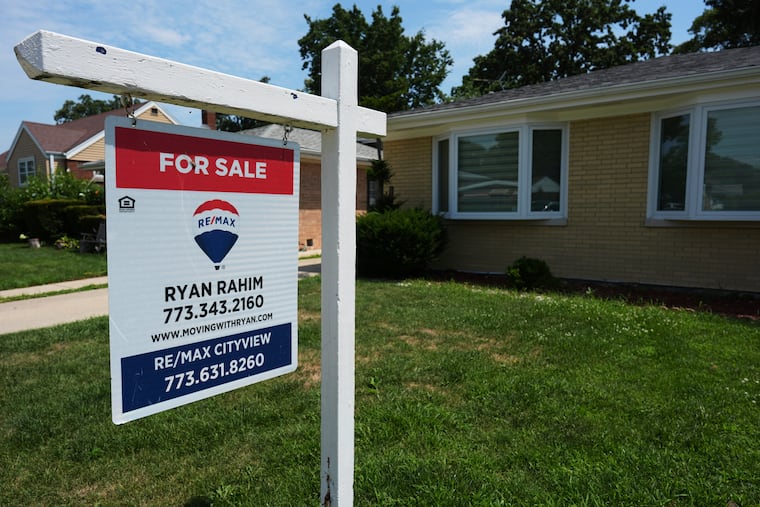
Homeowners are utilizing cash-out refinancing to capitalize on substantial increases in home equity.
Homeowners across the United States are increasingly leveraging their home equity, even amid sustained high mortgage rates. Data from ICE Mortgage Technology reveals that cash-out refinancing activities soared to their highest levels in nearly three years during the second quarter of 2023, signaling a renewed interest in home equity utilization.
Cash-out refinancing enables homeowners to refinance their mortgage for an amount exceeding their remaining loan balance, allowing them to receive the excess funds. This financial maneuver is commonly used for various purposes, including debt consolidation, home improvement projects, and facilitating significant purchases. In the April to June timeframe, the average homeowner who engaged in cash-out refinancing withdrew approximately ,000 in home equity, which resulted in a monthly payment increase of about 0. As part of this process, many borrowers saw their mortgage interest rates rise by an average of 1.45 percentage points.
To qualify for a cash-out refinance, homeowners generally need to meet certain criteria, such as having at least 20% equity in their home, owning the property for at least six months, and maintaining a credit score of at least 620. The average credit score among cash-out refinance borrowers in the second quarter stood at 719, according to the report from ICE Mortgage Technology.
The spike in cash-out refinances can be attributed to years of rising home values. The median price of previously occupied homes in the U.S. reached a record high of 5,500 in June, reflecting a remarkable 48% gain over the last five years. Furthermore, total U.S. homeowner equity reached a historic peak of .8 trillion, with .6 trillion potentially available for homeowners to access through refinancing options.
Notably, cash-out refinances constituted roughly 60% of all home loan refinances in the second quarter, illustrating a significant shift in homeowner behavior. While this financial strategy can offer increased flexibility — especially for those looking to transfer high-interest debt into a mortgage — it also carries risks. Borrowers may find themselves agreeing to larger loans with potential increases in interest rates, along with extensions of their repayment terms, increasing the risk of foreclosure if they encounter repayment difficulties.
In some cases, homeowners may find a home equity line of credit (HELOC) to be a more advantageous option. HELOCs typically come with lower interest rates, allowing homeowners to borrow against their equity without relinquishing ownership of that equity.
High mortgage rates have significantly impacted the housing market since early 2022, causing a decline in home sales and affecting price growth in many metropolitan areas. Although home prices continue to rise on a national scale, the pace of this increase has decelerated in various regions, particularly in the Sunbelt and Western markets. Consequently, the overall growth rate of home equity is the slowest it has been in two years, with nearly 25% of U.S. markets experiencing a drop in tappable equity of at least 5%. Notably, around 564,000 homeowners now owe more on their mortgages than their homes are worth, highlighting the potential risks associated with the current economic climate.
As the housing market evolves, homeowners must carefully weigh the benefits and drawbacks of tapping into their home equity to make informed financial decisions.