
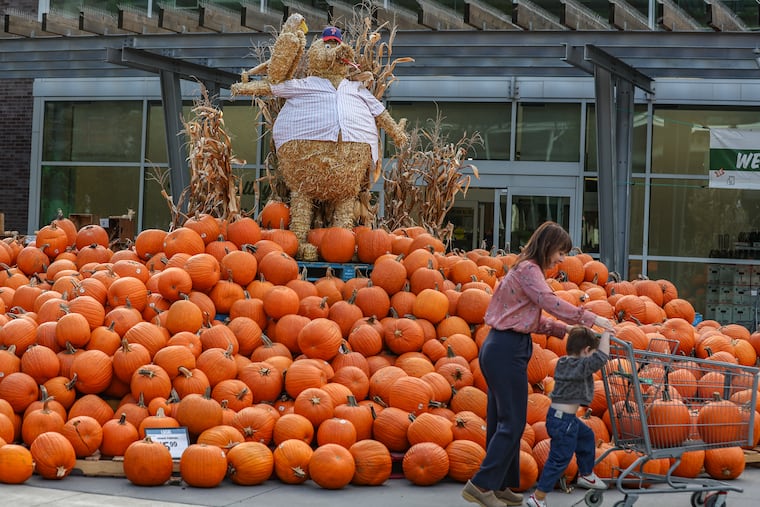
As Halloween comes to a close, many families find themselves faced with the aftermath of holiday décor, particularly the remnants of carved pumpkins. After a season of festivities, the fate of approximately 1.5 billion pounds of pumpkins — with around 105 million pounds originating from Pennsylvania alone, according to the U.S. Department of Agriculture — becomes a pressing environmental concern.
Most pumpkins end up in landfills, where they decompose and emit methane, a greenhouse gas that has a significantly higher impact on climate change compared to carbon dioxide. This poses a significant challenge to environmental sustainability, as pointed out by experts, including Erin Kinley, state coordinator for the Penn State Extension master gardener program. Given the dire implications of methane emissions, it is crucial to explore alternative disposal methods for these once-celebrated gourds.
Composting is widely recommended as the best option for disposing of jack-o’-lanterns after Halloween. The Philadelphia Department of Sanitation suggests that residents consider self-composting or take advantage of local food composting services. Cleaning and composting carved pumpkins can help reduce methane emissions compared to traditional landfill disposal. Kinley emphasizes that while any level of decomposition is acceptable for composting, painted pumpkins and those coated with nonbiodegradable materials should be discarded with regular trash.
For individuals who lack the opportunity for at-home composting, many community programs exist throughout Philadelphia, providing convenient compost collection options. Some suburban areas have even adopted composting as part of their waste management strategies. Bennett Compost, a local organization, offers drop-off services for pumpkins and hosts events encouraging composting practices.
Beyond composting, there are innovative ways to repurpose pumpkins. Suggestions include converting them into wildlife feeders by filling the hollowed-out shells with birdseed, though precautions should be taken in urban areas prone to rodent infestations. Leaving whole pumpkins in backyards not only provides food for local wildlife but the decaying pumpkins also enrich the soil with vital nutrients over time, as noted by the Philadelphia Horticultural Society.
Additionally, smaller pumpkins, such as sugar pumpkins, can be cooked for culinary uses. As families clean up after Halloween, they have an opportunity to consider the environmental impacts of their disposal methods and to engage in sustainable practices that benefit both urban ecosystems and local wildlife. Making informed decisions about pumpkin disposal not only helps the environment but can also enrich gardens and promote community well-being.
In light of these considerations, this Halloween provides a moment for reflection on how seasonal celebrations intersect with ecological responsibility, paving the way for more sustainable practices in the future.
Media News Source.