HUD funding change could undermine effective homelessness solutions and disrupt existing programs.
Organizations focused on homelessness support are currently facing a significant upheaval following a recent announcement from the U.S. Department of Housing and Urban Development (HUD) regarding a substantial change in funding priorities. Although HUD has since retracted the notice that sparked widespread concern, it highlighted an alarming potential shift that could affect vulnerable populations across the country. The implications of these changes may still pose challenges, emphasizing the need for communities to express their concerns and for legislators to act decisively.
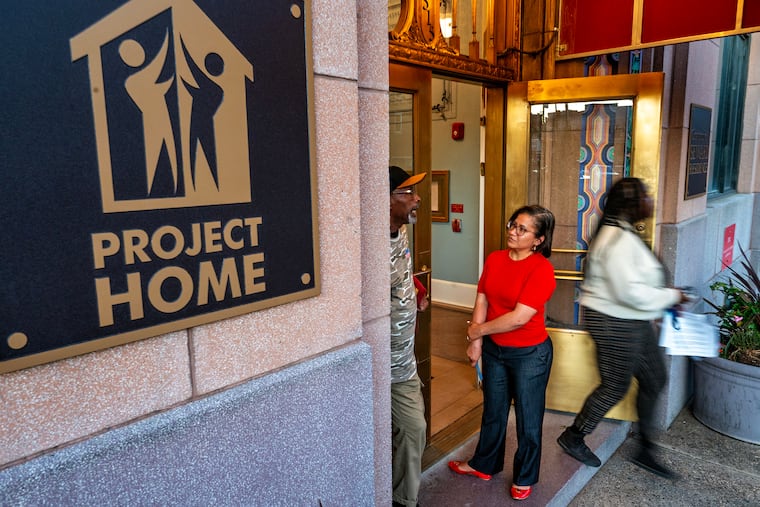
HUD’s proposed Continuum of Care Competition Notice of Funding Opportunity for fiscal year 2025 indicated a move away from established permanent supportive housing strategies, favoring transitional housing instead. Such a shift could disrupt ongoing programs that have been effective in addressing homelessness, pushing advocates into a state of urgency. Organizations like Project HOME have quickly recognized the potentially detrimental impact of these changes on the communities they serve in Philadelphia. The response among other nonprofit organizations and local elected officials has been swift, with figures such as Governor Josh Shapiro joining a multistate lawsuit to contest HUD’s approach.
While HUD has momentarily paused its funding notice, the department remains focused on restructuring funding requirements to align with newly emerging priorities. This temporary delay has spared many organizations from rush adjustments to their grant applications. However, the administration’s motives have become apparent, and if future funding notices reflect similar trends, the resulting consequences could be severe for those experiencing homelessness.
Permanent supportive housing is widely regarded as an effective method for breaking the cycle of homelessness, as supported by rigorous studies from institutions like the Urban Institute. Project HOME has successfully implemented this model, aiding individuals in transitioning from homelessness to stability through their H-O-M-E model, which incorporates employment, medical care, and education services. The foundation of these services—safe and secure housing—is essential for individuals seeking to rebuild their lives.
For instance, individuals like David, who faced chronic homelessness for 25 years, have found stability and purpose through programs that offer supportive housing. Once empowered with secure housing, David took steps towards personal growth, securing employment and becoming an integral part of his community by giving back to those still in need.
Critics sometimes cite rising homelessness rates as an indictment of permanent supportive housing initiatives; however, the underlying issue is a profound shortage of affordable housing across the nation. Recent data from the National Low Income Housing Coalition reveals alarming statistics, with only 35 affordable and available rental homes for every 100 extremely low-income households in 2024, representing a shortfall of 7.1 million homes.
Despite the administration’s intentions, the risk of exacerbating unsheltered homelessness remains a concern if funding shifts continue. The potential reduction of permanent supportive housing could not only threaten the stability of individuals like David but also impose considerable stress on local businesses and neighborhoods.
Ultimately, homelessness is a multifaceted crisis that requires practical, evidence-based solutions, rather than theoretical reforms. Philadelphia’s approach has shown consistent progress over the past three decades, developing best practices that work effectively. It is crucial for communities to advocate for these successful strategies and hold elected officials accountable to ensure that the dignity and progress achieved in battling homelessness are not undermined.
For communities and advocates alike, the time to take action is now, to safeguard the future of homelessness services and the lives they touch.