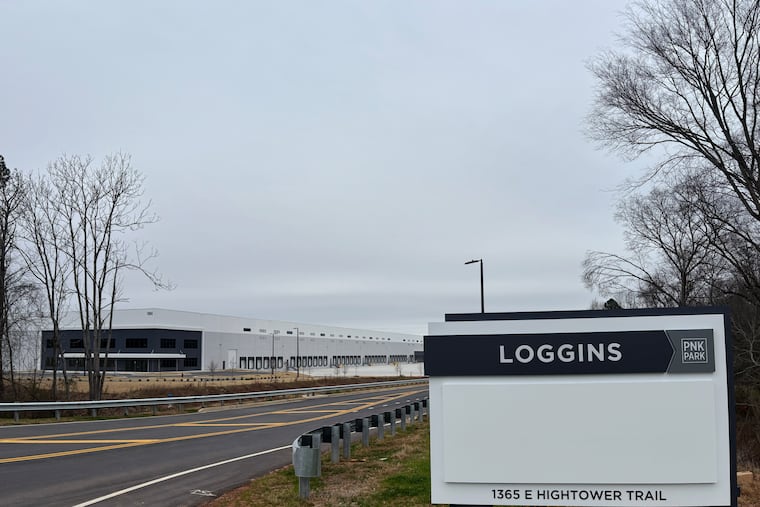
ICE selects unproven companies to manage new detention centers for warehouses.
For many years, the Geo Group and CoreCivic have served as primary contractors for the U.S. government in managing immigrant detention facilities. These companies operate most of the centers where immigrants are held under the purview of U.S. Immigration and Customs Enforcement (ICE). However, a significant shift is underway as the current administration introduces a billion initiative to transform industrial warehouses into expansive detention centers. This plan marks a departure from reliance on established firms and embraces the potential of emerging, relatively untested businesses to build and manage these facilities.
Recently, the administration awarded a contract totaling at least 3.1 million to KVG LLC, a defense contractor with no prior federal contracts involving immigrant detention. This newly contracted facility is planned for development in a warehouse located in Williamsport, Maryland. Furthermore, GardaWorld Federal Services, another contractor noted for its security services, received a contract worth at least 3.4 million to oversee a detention center in Surprise, Arizona. GardaWorld had previously handled security at immigrant holding centers in Canada and the Alligator Alcatraz facility in Florida but had not been directly contracted by ICE for detention oversight before this recent award.
The implications of these contracts are considerable, as they initiate a rapid timeline for constructing these centers, amid expectations for them to be operational as early as April. Contractors are tasked with retrofitting vacant warehouses into secure detention facilities, which will require the installation of climate control systems and the creation of dormitories, recreational areas, courtrooms, cafeterias, visitation spaces, and medical facilities. Local challenges such as access to essential infrastructure, including water and electricity, may complicate these efforts.
The decision to award contracts to companies with less experience within the industry raises concerns among established firms like Geo Group and CoreCivic, who were notably absent from the list of recent contract recipients. Speculation abounds that the administration’s shift towards alternative detention solutions could potentially jeopardize the core operations of these longstanding providers.
Both companies have recently communicated their ongoing commitment to assisting the federal government in augmenting detention capacity. However, financial forecasts reveal growing apprehension regarding the potential implications of the government’s strategic pivot. Analysts point out that the administration’s consideration of “non-traditional” facilities could adversely affect the longstanding business models of these established firms, which have been primary players in the immigration enforcement landscape.
In addition to constructing new facilities, the government has also indicated an intention to purchase previously established detention centers from private operators. This move is further underscored by discussions within the Department of Homeland Security (DHS) aimed at reducing costs associated with current contracts held by prominent firms.
The imminent changes in the immigrant detention landscape appear to signal a fundamental transformation in how the U.S. government manages such facilities, raising questions about the future dynamics between federal agencies and private contractors. As the DHS continues to navigate this complex landscape, the outcome of these large-scale initiatives will undoubtedly shape the policies and practices surrounding immigration enforcement in the years to come.
Conclusion
The ongoing transition in the management of immigrant detention centers represents a significant shift in U.S. immigration policy. The increased focus on utilizing warehouses and contracts with less experienced firms illustrates a new direction for the government that could redefine the operational landscape for years to come. The ramifications of such policy changes will be closely monitored as stakeholders from all sides prepare for the implications of an evolving detention system.