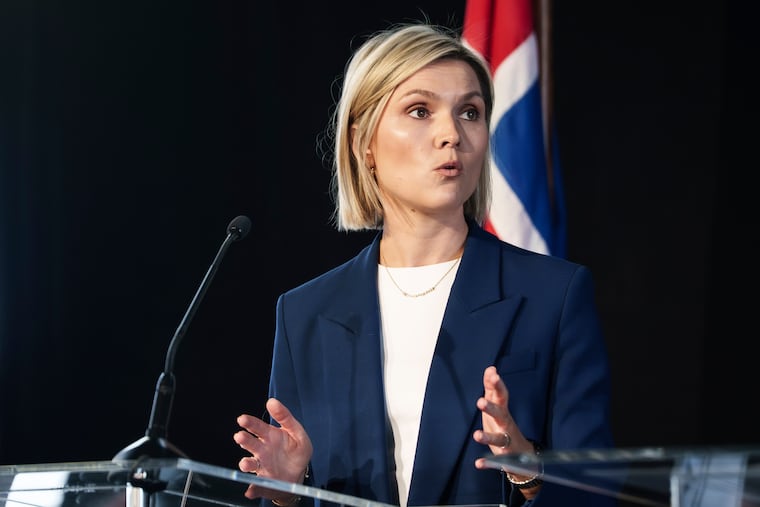
Icelandic voters decline to restart negotiations for European Union membership.
In a significant referendum held over the weekend, Iceland’s electorate decisively rejected the prospect of restarting negotiations to join the European Union (EU). With a vote tally showing 52.8% against and 47.2% in favor, the outcome puts a temporary halt to discussions that had been rekindled following years of suspended talks following the 2008 financial crisis. Concerns regarding the potential impact on Iceland’s fishing industry, a cornerstone of the nation’s economy and identity, were central to the opposition’s campaign.
The referendum was conducted amidst rising geopolitical tensions, notably influenced by past statements from U.S. President Donald Trump regarding Greenland. Proponents of EU membership argued that joining the bloc could enhance Iceland’s security and provide a united front against any external threats. However, voters seemed more inclined to prioritize national control over resources, particularly given the fear that EU policies would open Icelandic waters to larger foreign trawlers from countries like Spain and the Netherlands.
The Icelandic government had expedited the referendum in response to heightened concerns about geopolitical stability, especially in light of Trump’s misattributions regarding Iceland during discussions about Greenland. The left-leaning coalition government, led by Prime Minister Kristrún Frostadóttir, sought to gauge public sentiment on EU accession sooner than planned.
The Prime Minister characterized the high voter turnout, which exceeded 82%, as a victory for democratic participation, although she acknowledged the outcome. While she committed to respecting the result, she did not eliminate the possibility of revisiting the EU membership issue in the future if political dynamics shifted.
The opposition, represented by Guðrún Hafsteinsdóttir of the Independence Party, interpreted the result as an indication of public hesitation toward EU integration, even if it did not signal a complete cessation of relations with Europe. Voters were presented with a straightforward binary choice regarding EU negotiations, reflecting the prevailing ambivalence within Iceland’s population.
Traditionally, Iceland has enjoyed the benefits of the EU’s single market and Schengen area without formal membership, fostering a sense of independence that resonates deeply with its populace. The fishing industry played a crucial role in this narrative, as many Icelanders view their fishing rights as an integral aspect of their national sovereignty.
Opponents of EU membership highlighted that the nation already benefits from many aspects of EU affiliation, arguing that full membership would dilute Iceland’s ability to forge independent trade agreements and diminish its voice within the bloc.
This referendum result is likely to disappoint European Union officials who had hoped for a swift integration of Iceland, a stable, democratic nation with vast fishing resources. In contrast, other aspiring EU members, particularly in the Balkans and conflict-affected areas like Ukraine, face lengthy and complex paths toward membership.
The current political landscape suggests that Iceland could reassess its EU membership ambitions in the coming years, yet the prevailing sentiment among voters indicates a desire for a more unified consensus before pursuing such significant changes. As one voter aptly noted, the nation may be better served by a lengthy pause before re-evaluating its EU aspirations.
Media News Source.