Impact of Trump’s State of the Union on children analyzed in new report.
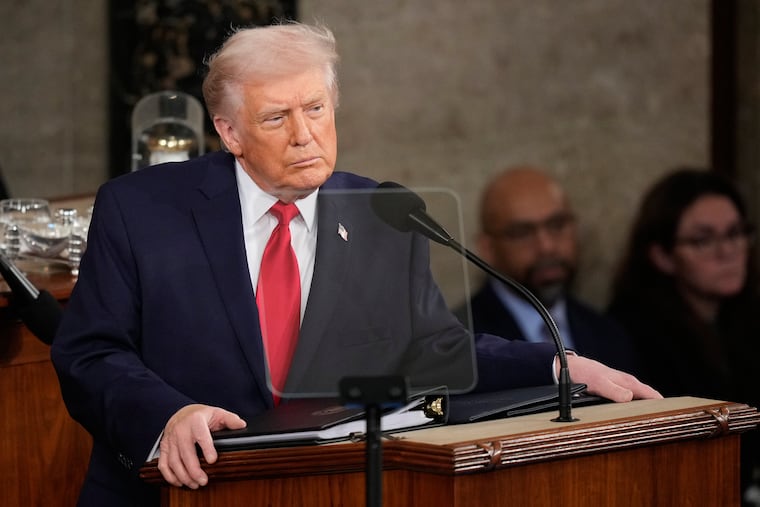
The annual State of the Union address traditionally serves as a moment of reassurance, providing an opportunity for the President to outline achievements and aspirations amid applause from a gathered Congress. However, on a recent Tuesday night, President Donald Trump’s remarks deviated from this tradition, presenting a complex narrative centered around economic recovery, immigration control, and a characterization of America as entering a “golden age.”
Yet, amidst the cheers and political rhetoric, a pressing question lingers: What is the impact of such discourse on the youngest members of our society? This inquiry becomes particularly poignant when considering children, especially those from immigrant families or communities of color. For them, the messages being conveyed can resonate differently and may lead to unsettling introspection about their safety and belonging in America.
Research indicates that when leaders portray certain groups as threats or burdens, young individuals who identify with those populations may internalize damaging narratives. This sense of alienation can generate a spectrum of psychological distress, including heightened anxiety and chronic stress responses. Persistent exposure to fear can trigger physiological reactions, such as elevated cortisol levels and hypervigilance—responses that are rooted more in biology than ideology.
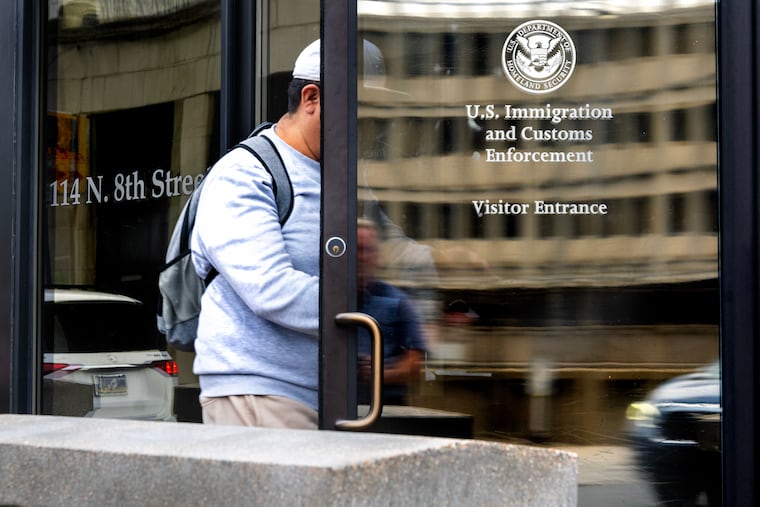
For instance, children exposed to harsh immigration policies may experience deep emotional turmoil, as the threat of parental detention or deportation looms incessantly. Such scenarios do not feel like political discussions; they become the backdrop of a child’s lived reality, deeply affecting their mental and emotional health.
Trump’s focus on categorizing undocumented immigrants as criminals reinforces a narrative that can stigmatize entire communities. This framing risks fostering a culture of mistrust in foundational societal structures, which are meant to provide safety and security. The emotional climate cultivated during national addresses impacts perceptions and can undermine the very foundations of trust and safety that children rely upon.
As trauma expert Judith Lewis Herman suggests, enduring trauma stems from the experience of overwhelming forces. This is not limited to war or domestic violence but can also encompass political narratives that inherently challenge the child’s sense of security and community. Children draw lessons from how adults engage with politically charged discourse, and when they witness leaders employ derision or contempt in discussing adversaries, it models conflict resolution styles that lack compassion and understanding.
Ultimately, while political leaders possess the right to advocate their policies, the lasting effects of rhetoric steeped in hostility and division merit careful examination. The emotional implications extend beyond the adults engaged in political theater, profoundly affecting children who cannot yet voice their concerns or participate in shaping their realities.
The State of the Union should be measured not only in applause and approval ratings but also in its capacity to foster a nurturing environment. Children’s well-being should not be compromised by the weight of political rhetoric that amplifies fear and alienation. A healthy society must strive for discourse that emphasizes unity over division and safety over suspicion. Only then can the nation begin to affirm that its strength is not merely a declaration but a lived truth for every child.
The pressing challenge remains: how can we cultivate a political culture where children can thrive without fear? This task transcends party lines; it is fundamentally a moral imperative that requires commitment from all levels of society.