
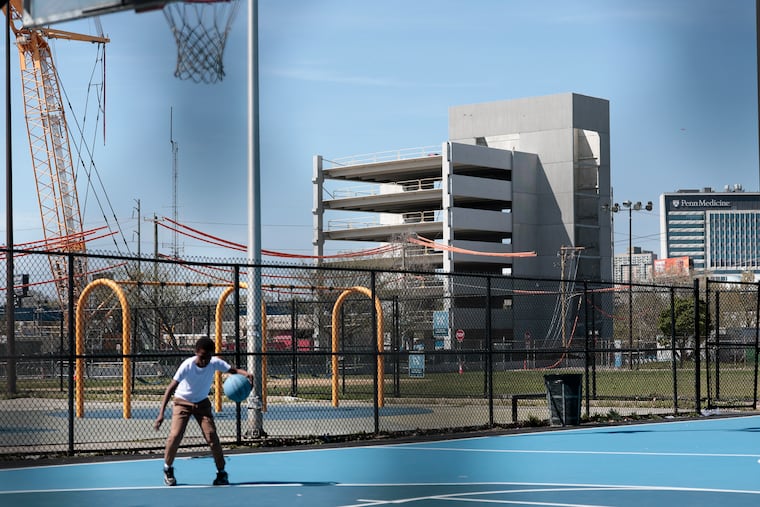
Income levels have increased significantly in parts of South Philadelphia, but some residents are still facing economic challenges.
In Philadelphia, a significant economic transformation has taken place over the past decade, particularly in certain neighborhoods where median household incomes have surged. Data from the U.S. Census Bureau’s American Community Survey reveals that areas such as Graduate Hospital, Grays Ferry, and Point Breeze have experienced remarkable income growth, with median household income more than doubling from ,800 between 2010 and 2014 to ,900 from 2020 to 2024. In contrast, the citywide median income increased more modestly, rising from approximately ,600 to about ,000 when adjusted for inflation over the same period.
The pronounced income growth in these South Philadelphia neighborhoods can be attributed to the proliferation of high-paying jobs in sectors such as healthcare and education amidst ongoing city investment in these fields. Analysts observe that the influx of professionals with advanced training and higher compensation has reshaped the neighborhood demographics. As a result, the region is experiencing a wave of gentrification, characterized not just by rising incomes but also by increasing property values and rents.
Near the Schuylkill River, the income growth story is similar in the cluster comprising Northern Liberties, Fishtown, and Kensington, where median household income climbed from ,700 to 6,900 during the same timeframe, reflecting a 63% increase. However, not all regions have benefited equally; Southwest Philadelphia has seen a decline of approximately 3% in median household income.
For long-time residents, these changes present both opportunities and challenges. While new investments have introduced amenities and cleaner streets, rising property taxes and housing costs have led to some residents feeling priced out of their neighborhoods. Many express frustration over the shifting landscape, recognizing the benefits while grappling with the emotional and financial ramifications of gentrification.
Local community organizations and residents argue for affordable housing solutions amidst fierce competition from developers. Concerns have been raised over the loss of affordable units, as real estate prices skyrocket, leading to calls for greater inclusivity in new housing projects. While city initiatives such as home repair programs and tax relief are geared toward existing homeowners, renters remain particularly vulnerable to the pressures of increasing costs.
As the city grapples with the complex dynamics of development and affordability, community members like Charles Reeves, a Grays Ferry resident for over six decades, are advocating for awareness among younger generations about gentrification and financial literacy. His perspective highlights the necessity of preparing youth for the rapidly changing realities of their environment, emphasizing community engagement and educational outreach.
In conclusion, Philadelphia’s evolving economic landscape underscores a critical narrative of gentrification, economic displacement, and community resilience. Policymakers and community leaders face an ongoing challenge to balance growth with the preservation of affordability and support for long-time residents. The shifting demographics may present opportunities for some, but for many, the risk of being priced out of their homes continues to loom large over Philadelphia’s transformation.
Media News Source.


