
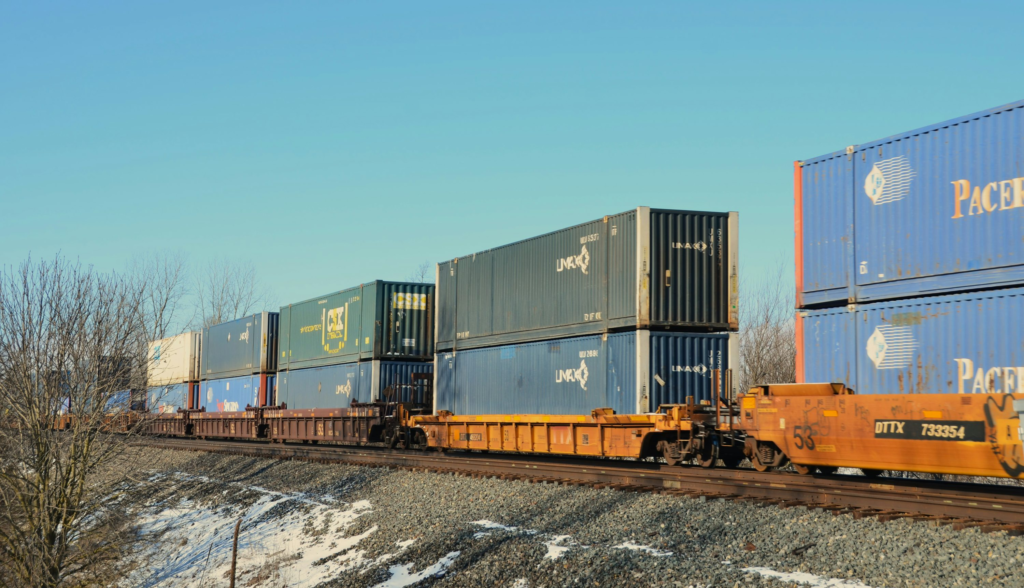
The Dedicated Freight Corridor Corporation of India (DFCCIL) is actively engaging with terminal operators and infrastructure officials to enhance the development and commissioning of rail cargo facilities. This initiative seeks to address the existing bottlenecks that hinder industrial access to India’s expanding freight railway network.
A recent business development meeting held on November 26, orchestrated by DFCCIL, highlighted the necessity for improved coordination between terminal developers and infrastructure operators. The meeting, chaired by Shobhit Bhatnagar, Director of Operations and Business Development at DFCCIL, focused on potential strategies to expedite existing projects towards commercial viability.
The Gati Shakti Cargo Terminal (GCT) programme, introduced by the Indian government in December 2021, aims to foster the development of modern multimodal freight facilities and enhance rail connectivity to key industrial sites. As of August 2026, India has successfully commissioned a total of 149 cargo terminals, with five new facilities added that month alone. This achievement builds on the prior month’s report, which documented 142 commission terminals capable of handling an estimated annual freight volume of 224 million tonnes.
The expansion of these terminals aligns with the growing demand for railway freight services. In August 2026, Indian Railways reported a 5.4% increase in freight loading, totaling 137.9 million tonnes, compared to 130.9 million tonnes during the same month in 2025. Correspondingly, freight revenue saw a rise of 6.27% year-over-year, underlining the importance of developing robust infrastructural support for the increasing freight volume.
DFCCIL’s commitment to terminal development underscores the critical link between available capacities on specialized freight railway infrastructure and the facilities that provide industrial customers access to these services. India’s Eastern and Western Dedicated Freight Corridors have been designed specifically for goods transport, reducing the competition between freight and passenger services for railway paths.
Efficient connectivity between these corridors and industrial locations necessitates the establishment of terminals capable of ensuring seamless transfer of cargo among different modes of transport, including railway services, road vehicles, production sites, and storage facilities. The GCT programme supports an array of sectors, encompassing steel, cement, power generation, agriculture, and automotive manufacturing, each with unique handling and storage needs.
The strategic placement of terminals in relation to established industrial cargo flows enhances the ability of developers to tailor handling equipment and operations to specific commodities. This localized approach can facilitate faster cargo movement and significantly improve cost-efficiency for manufacturers.
However, the successful functioning of these terminals relies not only on their individual capacities but also on the adequacy of the railway services available. A terminal boasting significant handling capacity may underperform if limitations in train paths or subsequent handling infrastructures hinder cargo transit. Conversely, expanding railway infrastructure may yield minimal advantages if terminal capacities do not adequately support industrial needs.
The synergy between DFCCIL, terminal operators, and railway authorities is essential for overcoming the challenges encountered during project development. Ensuring all phases—ranging from railway connections to engineering approvals—are completed effectively will pave the way for initiating commercial freight operations.
DFCCIL has yet to announce any new terminal construction contracts, investment allocations, or revised commissioning timelines following these discussions. The immediate focus remains on resolving current implementation challenges across ongoing projects. Ultimately, the trajectory towards commercial operation will be critical in determining the volume of industrial freight that can efficiently navigate India’s dedicated corridors, as well as the effectiveness of their connection to manufacturing and distribution networks.
As the rail freight landscape continues to evolve in India, it will be crucial for stakeholders to align efforts and resources toward fostering an efficient and responsive cargo transportation ecosystem.
Media News Source