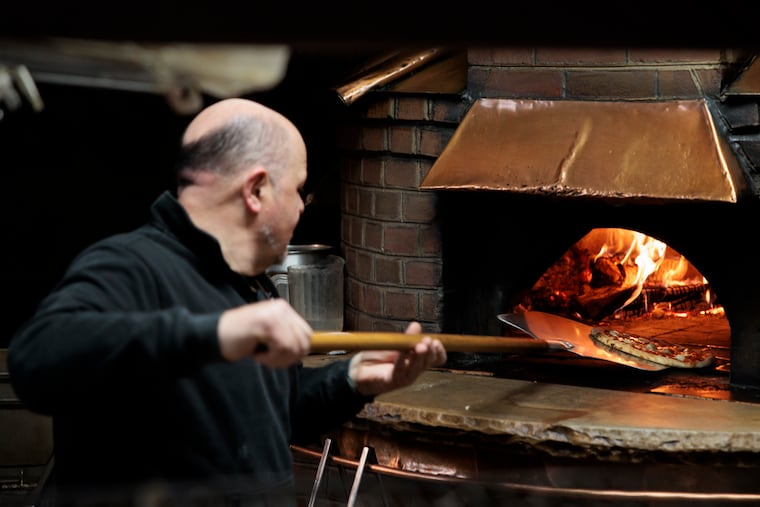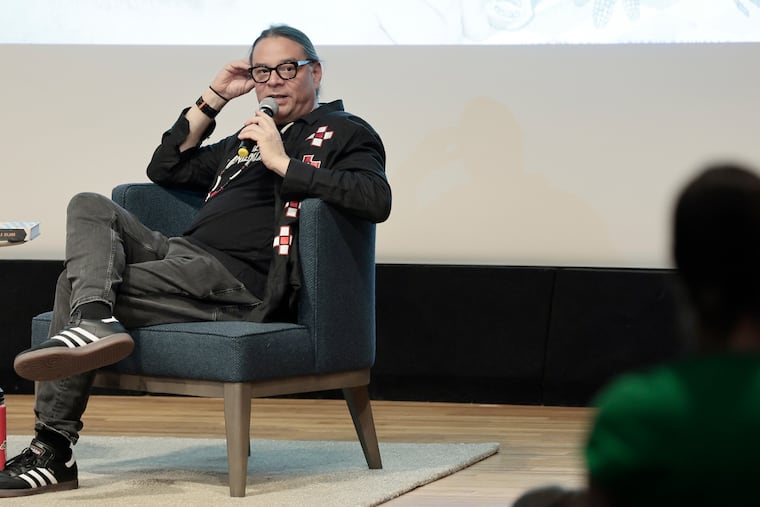
Indigenous chef and author Sean Sherman shares the history and significance of Indigenous American foods.
On Saturday, renowned Oglala Lakota Sioux chef Sean Sherman addressed a gathering at the Academy of Natural Sciences at Drexel University, emphasizing the disconnection between contemporary children and their Indigenous roots. Sherman, a James Beard Award-winning chef and activist, articulated concerns over the modern lack of familiarity with the natural resources that sustained his ancestors. He cited a tongue-in-cheek observation that many children today could identify more members of the Kardashian family than different types of trees.
Sherman was promoting his latest publication, “Turtle Island: Foods and Traditions of the Indigenous Peoples of North America.” This cookbook highlights one hundred traditional and modern recipes, drawing from the rich heritage of Native American cuisine. In previous years, he garnered significant acclaim, including the 2018 James Beard Award for Best American Cookbook for his work “The Sioux Chef’s Indigenous Kitchen” and the 2019 James Beard Leadership Award for his efforts to revitalize Indigenous food systems. Additionally, he won the 2022 James Beard Award for Best New Restaurant for Owamni, a Minneapolis establishment co-owned with Dana Thompson.
Throughout his career, Sherman has garnered a reputation for dishes that integrate Indigenous ingredients, such as wild rice-crusted walleye and cedar-braised bison. He recounted the difficulties he faced in learning Indigenous culinary techniques, particularly due to the limited resources available online. He delved into academic literature on traditional plants and engaged in work at local Minnesota restaurants, where he honed his culinary skills in the context of European-influenced cuisines.
Speaking to an audience of approximately 240 individuals, Sherman illustrated the disparity between historical indigenous diets and contemporary packaged foods. He presented slides highlighting items such as bologna sandwiches and canned goods, which once represented the daily sustenance of his community. His critiques extended to the current societal fixation on superficial aesthetics, which he underscored with humor and sharp commentary.
Following Sherman’s presentation, visitors moved outdoors to engage with Linda Black Elk, an ethnobotanist and director of education for North American Traditional Indigenous Food Systems (NATIFS). Black Elk showcased native plants that flourish in Philadelphia and can be utilized for both culinary and health purposes, such as anise hyssop, mountain mint, and the well-known “three sisters”—squash, corn, and beans.
As the event concluded, attendees enjoyed snacks inspired by Native American traditions, featuring local ingredients such as aronia berry granola and cornmeal elderberry cookies. Through these efforts, Sherman seeks not only to illuminate the history of Indigenous food culture but also to inspire a forward-looking approach to culinary practices, asserting that the essence of American food extends far beyond the ubiquitous hamburger.
This presentation was part of the ArtPhilly’s “What Now: 2026” festival and coincides with the Academy’s latest exhibition, “Botany of Nations,” which will be on display until February 14, 2027. Media News Source emphasizes the importance of such discussions in reclaiming Indigenous narratives and integrating them into the broader American culinary landscape.