
Influencers engage in dangerous stunts, including plane crashes, to gain online views and popularity.
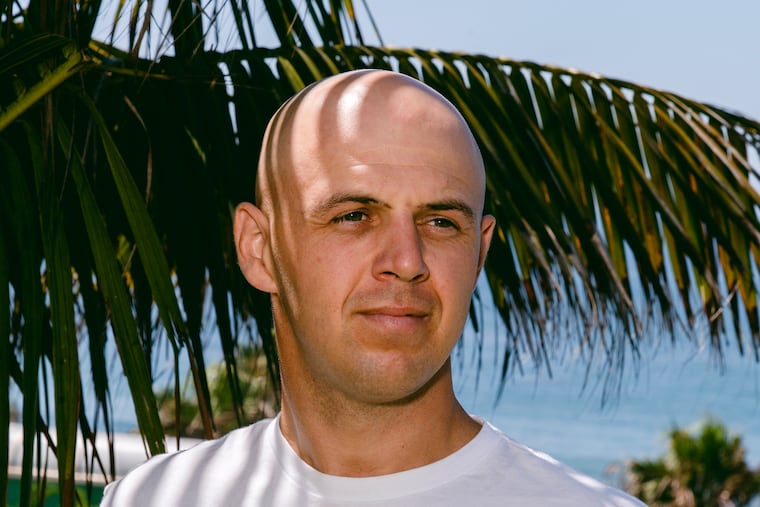
In 2021, Trevor Jacob, a former U.S. Olympic snowboarder, orchestrated an elaborate stunt involving a 1940 Taylorcraft airplane. During a flight over Los Padres National Forest in Southern California, Jacob announced engine trouble before parachuting out of the plane, which subsequently crashed into a hillside. He documented the incident with several cameras, later posting a sensational 13-minute video titled “I Crashed My Plane” on YouTube, which drew an impressive viewership of approximately five million. However, federal investigations later revealed that the crash was a staged event designed to garner attention and internet fame.
The allure of social media fame has increasingly led influencers, like Jacob, to engage in perilous and socially questionable antics. With algorithms favoring extreme and outrageous content, many influencers are compelled to push the boundaries of safety to capture viewers’ attention, moving away from more traditional forms of content like home cooking or dance routines. In an era where online visibility is equated to value, the pursuit of clicks often comes at a high personal and societal cost.
The phenomenon is not isolated to the U.S.; globally, aspiring influencers engage in dangerous behaviors to gain notoriety. They frequently trespass on rooftops, block traffic, and conduct reckless stunts from precarious heights. Some face arrests, while others suffer severe injuries or even fatalities. This evolving dynamic has drawn concern from psychologists and social critics who emphasize the societal impacts of such content.
Psychologist Kaveri Subrahmanyam points out that as influencers stand to gain significant fame and potential financial rewards, the risks they take can escalate dramatically. For example, Dalton Eatherly, known online as Chud the Builder, has created content filled with confrontational and aggressive interactions, driving both attention and controversy. A recent incident involving gunfire during one of his livestreams underscores the real dangers associated with such reckless behavior, leading to charges against him.
Social media platforms, including TikTok and YouTube, claim to implement community guidelines aimed at curbing dangerous content. They ban users found violating these policies, addressing the need for safety amidst the intoxicating lure of viral fame. Yet, experts believe that as long as platforms reward extreme behavior, the cycle of dangerous stunts is unlikely to diminish.
The trend extends beyond individual creators, impacting community safety and public perception. Law enforcement officials have raised alarms about the real-world consequences of viral challenges, urging individuals to reflect on the potential dangers associated with content creation aimed solely at entertainment.
Eatherly’s actions are a stark reminder that danger lurks not just behind the camera but also in the behavior being rewarded online. The consequences of such pursuits can lead to serious legal repercussions and personal losses, as illustrated by Jacob’s downfall, where he faced a federal prison sentence and substantial life changes due to his actions.
Recently, Jacob reflected on his experiences, acknowledging the steep price of seeking internet fame. The turning point reveals a broader societal challenge where the rewards of digital attention, if sought through harmful actions, lead to significant personal and collective consequences. As influencers continue to navigate this treacherous landscape, the quest for clicks remains poised as both a captivating and perilous pursuit.
The conversation surrounding this issue is urgent and continues to evolve, emphasizing the need for a more profound understanding of the relationship between social media practices, individual behavior, and community safety.


